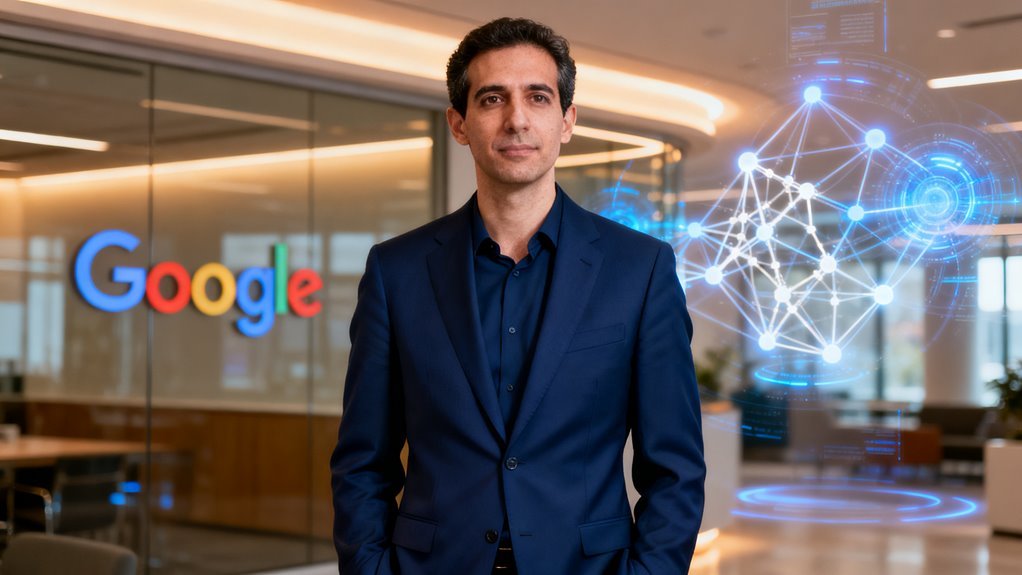

The institute is backed by a twenty one point five million dollar award over five years and is headquartered at the University of Delaware Data Science Institute. The University of Pennsylvania, Delaware State University, Princeton University, and the University of Florida join as core academic partners along with more than forty organizations across industry, government, healthcare, and the nonprofit sector. In practice, the institute will explore how AI teammates can enhance physical therapy and rehabilitation, helping clinicians deliver more personalized physical therapy and mobility care. This broad coalition is designed to ensure that advances in algorithms are constantly checked against clinical realities, regulatory expectations, and societal values rather than developed in isolation. Furthermore, the initiative aligns with findings that AI can exacerbate bias in hiring processes, emphasizing the importance of adopting transparent practices in clinical AI development.
Within the larger National Science Foundation ecosystem, this institute sits alongside other national AI research institutes focused on human AI interaction and collaboration, which typically receive around twenty million dollars in support over five years. Earlier efforts in this ecosystem, including partnerships with major technology companies, have emphasized human-centered principles such as social benefit, inclusive design, safety, robustness, and privacy. The new institute extends that agenda into the messy world of real clinical decision-making where those principles are tested under pressure rather than just articulated in policy statements.
How healthcare reached this inflection point
To understand why this institute matters, it helps to look at how AI in clinical decision support has evolved over the past decade. Early rule-based systems embedded simple if-then logic into electronic health records to produce reminders about drug interactions, guideline adherence, or preventive care. These tools were transparent and relatively easy to understand but limited in their ability to capture the complexity of real patients with multiple conditions and unusual presentations.
The rise of machine learning and deep learning changed that picture. Modern AI-driven clinical decision support systems can process imaging data, laboratory results, clinical notes, and even patient-generated data with a level of speed and pattern recognition that surpasses human capabilities in many narrow tasks. Systematic reviews have documented improvements in diagnostic accuracy, risk prediction, treatment selection, and early detection of deterioration when these tools are properly integrated into care pathways.
Yet the same techniques that made these systems powerful also made them opaque. Many models function as black boxes whose internal workings are difficult for clinicians to interpret, which undermines trust and makes it hard to understand why a particular recommendation was given. Studies have highlighted risks of bias related to the data on which models are trained as well as automation bias when clinicians over-rely on AI recommendations even when they conflict with other evidence. This tension between impressive accuracy and limited transparency set the stage for a renewed focus on explainable AI and human-centered design in clinical decision support.
What the institute is trying to do differently
The institute for Human AI Cooperation places decision quality in healthcare at the center of its mission. Rather than building stand-alone tools that operate on the margins of care, it aims to embed AI decision support directly into clinical workflows for diagnosis, treatment planning, and care coordination. Researchers want systems that help clinicians reason under uncertainty, synthesize growing volumes of data, and spot subtle patterns that might otherwise be missed while leaving ultimate decisions firmly in human hands.
A key emphasis is on aligning algorithmic recommendations with established clinical guidelines, patient preferences, and evolving regulatory requirements. This reflects lessons from recent work showing that AI-based clinical decision support must be evidence-based, thoroughly validated, and tailored to specific settings to avoid unintended harm. Explainable AI is an explicit priority, with research focusing on methods that can present recommendations in forms clinicians understand and can challenge when necessary.
Technically, the institute plans to explore collaboration through speech, language, visual interfaces, and other modalities that fit naturally into clinician workflows. That includes conversational systems that can sit alongside electronic health records, image-based tools that highlight areas of concern in scans, and decision dashboards that summarize complex risk profiles without overwhelming users. By connecting to the broader National Science Foundation network focused on human AI interaction, multimodal interfaces, and AI assistants for critical decision-making, the institute can draw on existing expertise while pushing toward more tightly integrated cooperative systems.
Measuring real-world collaboration not just model accuracy
A crucial differentiator for this institute is its commitment to studying human AI collaboration in real clinical settings rather than only in retrospective datasets or simulated environments. Research projects are expected to track measurable outcomes such as patient safety, resource utilization, and quality of care in hospitals and clinics that adopt these tools. The aim is to identify where AI assistance genuinely reduces errors, where it introduces new failure modes, and how interface and workflow design influence that balance.
Recent studies on AI-based clinical decision support emphasize the importance of rigorous evaluation and user-centered design before broad deployment. Recommendations include engaging clinicians early in development, training models on high-quality representative data, and conducting controlled trials to prove benefits and uncover risks. The institute effectively operationalizes those recommendations at national scale with a structure that connects computer scientists, engineers, clinicians, and social scientists around shared evaluation frameworks.
This evaluation focus aligns with emerging work on collaborative intelligence, which offers frameworks for measuring collaboration effectiveness, balancing efficiency with safety, and implementing transparent governance in high-stakes environments. By combining those perspectives with deep technical expertise, the institute can move beyond accuracy metrics toward richer notions of performance that incorporate trust, accountability, and resilience.
Implications for technology and industry
For technology companies, the institute is a signal that the next wave of AI in healthcare will be judged less on raw performance metrics and more on how systems fit into human workflows and governance structures. Vendors developing clinical decision support tools will need to demonstrate not only that their models outperform existing baselines but also that their recommendations are interpretable, align with guidelines, and can be safely overridden.
Industry partnerships within the institute create opportunities for shared infrastructure such as testbeds where new algorithms can be evaluated using agreed-upon criteria for safety, bias, and usability. That can lower the cost and increase the reliability of bringing new AI products to market while giving regulators and health systems clearer evidence on which to base adoption decisions. At the same time, it may raise the bar for commercial tools that have not gone through similar scrutiny, which could reshape the competitive landscape in health AI.
Beyond healthcare, the institute is positioned to influence AI deployment in other high-stakes domains such as emergency response, public health, and critical infrastructure management. Insights about how humans and AI systems share attention, make decisions under pressure, and recover from errors can inform practices wherever algorithmic support is used to manage risk. In that sense, healthcare becomes both the proving ground and the template for broader societal collaboration with AI.
Societal stakes and ethical questions
The institute arrives at a moment when public trust in AI is fragile. High-profile failures and concerns about bias have made many patients and clinicians understandably cautious, even as they acknowledge the potential benefits of advanced decision support. Human-centered approaches that prioritize safety, transparency, and accountability are not just ethical preferences but practical necessities for adoption in environments where mistakes can cost lives.
By embedding social science, legal expertise, and ethics into its structure, the institute acknowledges that technical excellence alone is not enough. Questions about data governance, consent, explainability, and the distribution of responsibility between humans and machines must be tackled head-on. This includes clear policies about when clinicians can and should override AI recommendations, how disagreements are documented, and how liability is shared when outcomes do not match expectations.
At the same time, there is a risk that heavy governance slows innovation or leads to overly cautious deployments that miss opportunities to reduce preventable harm. The institute will need to navigate this tension carefully, demonstrating that rigorous evaluation and human-centered design can coexist with timely experimentation and scaling where evidence supports it.
What to watch next
Over the coming years, several aspects of this institute will be especially important to watch. Its success will depend on whether it can deliver demonstrable reductions in diagnostic and treatment errors without overwhelming clinicians or introducing new forms of risk. Health systems will look for evidence that AI tools developed under its umbrella are easier to trust, easier to interpret, and easier to integrate into existing workflows than many of the first-generation systems.
The broader AI community will pay attention to the frameworks and standards that emerge from the institute, especially around evaluation, transparency, and governance, which may become de facto benchmarks in healthcare and beyond. If those frameworks strike a workable balance between safety and innovation, they could shape policy, regulatory guidance, and commercial strategy for years to come.
In practical terms, the institute represents a shift from asking whether AI can outperform humans to asking how humans and AI can become reliable teammates in environments that do not forgive error. The core test is simple but demanding: whether the combination of human judgment and machine intelligence can produce better outcomes than either alone and do so in ways that clinicians, patients, and regulators can genuinely trust. For now, the institute offers a focused experiment in cooperative intelligence in healthcare, and its results will carry weight far beyond the hospitals where they are first measured.
Frequently Asked Questions
How Can Community Members Actively Participate in the Institute’s Research and Projects?
Artificial intelligence is no longer a distant lab project. It now touches everyday decisions about health, work, mobility, climate, and public services. When an AI institute invites community members into its research and projects, it is not a courtesy. It is a requirement for building systems that are fair, accountable, and genuinely useful to the people who live with them.
Community participation shifts AI from a product designed elsewhere to a shared tool shaped by local experience. Done well, it changes who sets research priorities, whose data and values are encoded in models, and who has real power to question or stop systems that cause harm.
From citizen science to community centered AI
The roots of community participation in AI go back to earlier citizen science efforts, where volunteers helped classify galaxies, identify wildlife, or report local environmental data to support research at scale. Over time these projects began to integrate machine learning, using human contributions to train and improve models that could then process much larger datasets.
Platforms such as Zooniverse showed how thousands of volunteers could label complex scientific data that becomes training material for algorithms used in astronomy, ecology, and other fields. Initiatives like amai in Flanders went further, inviting citizens not only to supply data but also to propose and vote on AI solutions for challenges in climate, mobility, health, and work, with participation extending through idea generation, project selection, and model training.
Universities and institutes have since started building centers dedicated to community engaged AI, bringing technologists together with social scientists and local organizations to develop frameworks for AI that are inclusive, transparent, and accountable. Independent institutes such as DAIR focus explicitly on community rooted research, countering the dominance of large technology companies and centering lived experience in how AI is studied and deployed.
This evolution sets the stage for a modern AI institute where community members are treated as co researchers, not passive subjects.
How community members can actively participate today
In a well designed AI institute, community participation is woven through the entire lifecycle of research and projects. The goal is not a single survey or town hall but sustained shared work. Key modes of involvement include several recurring roles.
Community members can contribute local data and lived expertise. In citizen science style projects, residents may collect environmental measurements, document local health patterns, or record mobility and transportation issues, which then become datasets for models that analyze climate resilience, public health, or traffic flows. Crucially, participants help decide what is measured, which questions matter, and how data collection respects privacy and consent.
They can join structured citizen science projects that combine human effort with AI assistance. In these projects, AI tools may help volunteers detect patterns, flag anomalies, or pre sort data, while human participants correct, refine, and challenge model outputs. This two way collaboration strengthens both scientific results and public understanding of how AI works.
Community members can serve on advisory and governance boards for the institute. These boards are responsible for scrutinizing proposed projects, reviewing risk assessments, and asking how systems might affect specific groups, such as workers, patients, or residents in under resourced neighborhoods. They can request changes in problem framing, demand transparency on data sources, or call for independent audits before deployment.
They can take part in co design and testing of AI tools. In co design sessions, community participants work with researchers to define user needs, review interface prototypes, and weigh tradeoffs between accuracy, explainability, privacy, and cost. During testing, they try early versions of tools, report usability problems, highlight harmful or biased behavior, and help shape guidelines for responsible use.
Community members can provide ongoing feedback on impacts once systems are in use. Institutes that embrace co deployment and co maintenance create clear channels for residents and workers to report issues, challenge decisions, and trigger investigations if an AI system seems to be harming people or amplifying inequality. This may include public dashboards, regular listening sessions, and transparent records of how complaints are addressed.
Finally, communities can engage through education and outreach. Many AI institutes partner with libraries, schools, and local organizations to host public talks, workshops, and hands on learning experiences that build AI literacy and invite dialogue on emerging research. Podcasts, festivals, and youth programs create ongoing spaces where people can learn, question, and influence institute priorities.
Taken together, these roles ensure that community participation is not symbolic. It becomes a central mechanism for deciding what the institute studies, how tools are built, and when projects should change direction or stop.
Why this matters for technology, business, and society
Community participation changes the trajectory of AI technology itself. When local stakeholders co frame problems, researchers are less likely to optimize narrow metrics that ignore real world harms and more likely to prioritize robustness, safety, and social relevance. Citizen scientists uncover edge cases and contextual factors that laboratory data would miss, improving model performance in diverse environments.
For businesses collaborating with an AI institute, community rooted research can reduce reputational and regulatory risk. Systems designed with early input from affected groups are more likely to meet evolving expectations around fairness, explainability, and consent. Advisory boards that include community voices can spot ethical issues that legal and technical teams might overlook, leading to more sustainable deployments and fewer costly rollbacks.
At the societal level, community participation builds trust and legitimacy. Public opinion on AI increasingly depends on whether people believe they have agency in how systems are used. Outreach programs that connect institutes with libraries, schools, and local forums have shown that regular dialogue and transparent education can make complex AI topics understandable and debatable by non experts. When residents see their contributions reflected in real policy changes or technical adjustments, trust tends to grow.
Over time, this participatory model supports a more democratic technology ecosystem. Independent institutes such as DAIR demonstrate how research agendas grounded in community experience can push back on extractive data practices and unaccountable deployments driven by commercial priorities. Community rooted AI does not eliminate power imbalances, but it creates practical tools for negotiating them.
Risks, challenges, and what to watch
Community participation is not automatically beneficial. Without careful design, it can become tokenistic and even harmful. There are several recurring risks.
If participation is limited to surface level consultation, communities may feel used, especially when their input has little influence on final decisions. Institutes need clear mechanisms that show how community recommendations affect project selection, funding, and deployment.
Data contribution can expose participants to privacy and security risks. Citizen science projects that collect health, mobility, or local surveillance data must include strong protections, explicit consent, and options to withdraw, with governance structures that allow community oversight of how data is stored and shared.
Another challenge is representation. Advisory boards and citizen science initiatives may unintentionally attract only those with time, resources, or prior technical experience, leaving out marginalized groups who are most affected by AI systems. Institutes need strategies to support participation from underrepresented communities, including compensation, flexible meeting formats, and partnerships with trusted local organizations.
There is also the risk of overburdening communities. Co design sessions, testing, and outreach events require time and emotional labor, especially when discussions involve sensitive issues such as discrimination or surveillance. Responsible institutes recognize this and invest in long term relationships, fair compensation, and mental health support where needed.
Finally, community participation must adapt as AI systems and regulations change. What is acceptable practice today may be inadequate tomorrow. Continuous monitoring, independent audits, and participatory reviews help institutes update guidelines and tools in response to new evidence and shifting norms.
Practical takeaways for institutes and communities
For AI institutes, the lesson is straightforward. Community participation needs to be embedded from the beginning, not added at the end. Problem definition, data practices, design choices, deployment plans, and maintenance strategies should all be open to community influence, with formal structures for shared decision making and accountability.
For community members, the key opportunity is to claim a seat at the table and treat participation as co governance rather than consultation. Joining citizen science projects, advisory boards, design workshops, and outreach events is a way to shape the direction of AI research, not simply to learn about it.
Looking ahead, institutes that invest in community rooted AI are likely to build systems that perform better, face fewer public backlashes, and are more aligned with local needs. As AI becomes woven into critical infrastructure, social services, and cultural preservation, the question will not be whether communities are involved, but whether they hold real power in the research and deployment process.
Community members can actively participate in the institute by contributing data and expertise, joining citizen science projects, serving on advisory boards, co designing and testing AI tools, providing ongoing feedback on their impacts, and engaging in education and outreach programs that directly shape research priorities and project choices. reddit
What Training Programs Will Help Workers Adapt to Ai-Integrated Workplaces?
Artificial intelligence is no longer a side project inside most organizations. It is already woven into productivity suites, customer service, data analysis and even hiring and performance management. Workers are feeling the impact in very practical ways, from new AI copilots in their email to automation in back office workflows. The question is no longer whether AI will change jobs, but whether workers will get the kind of training that allows them to adapt with confidence rather than anxiety.
Governments, universities and companies are quietly building that training infrastructure. The emerging pattern is clear. The programs that actually help people adapt combine four elements. They start with accessible AI literacy and ethics. They move into role specific generative AI workflows. They tap public institutions such as community colleges and workforce programs. And they are anchored by enterprise wide efforts that build governance, leadership competence and continuous learning.
From computer literacy to AI literacy
If you think back to the personal computer and early internet era, most training focused on basic computer literacy and office software skills. It was enough to know how to use a word processor, send email and navigate a browser. Today that baseline is shifting toward AI literacy, and governments are treating it as a civic skill.
The United States Department of Labor has launched Make America AI Ready, a free one week AI literacy course delivered by text message to any worker with a phone, no laptop or broadband required. The course follows an AI Literacy Framework that emphasizes understanding what AI tools can and cannot do, using them for everyday tasks like drafting and summarizing, giving clear instructions, checking outputs and following workplace rules for responsible use. This is a telling move. It frames AI literacy as foundational, similar to reading and digital skills, rather than as niche technical training.
Professional providers echo this shift. A twelve week professional certificate in applied AI literacy from the Digital Learning Institute splits the learning journey into six weeks of conceptual literacy and six weeks of applied skills with hands on labs, workflow mapping and a capstone project. AI Singapore offers curated courses that explicitly bundle AI literacy with generative AI, data science and machine learning, recognizing that modern work sits at the intersection of these domains. Dedicated AI literacy programs for working adults and educators now run in cohort formats that take people from AI is intimidating to practical skills through guided sessions and corporate workshops.
The historical lesson is that every major technology wave has required a new baseline of literacy. For AI integrated workplaces, that baseline is not coding. It is the ability to understand AI capabilities and limits, communicate with AI systems through prompts, and retain human judgment as the final arbiter.
Pillar one: Foundational AI literacy and ethics
Foundational AI literacy programs do a few specific things well.
They demystify core concepts such as what generative models are, what training data means and why hallucinations occur, without expecting workers to become data scientists. The Make America AI Ready initiative focuses on introductory competencies like understanding AI principles, exploring common use cases, prompting effectively, evaluating outputs, and using AI responsibly. That mix tells workers that the goal is not to worship AI as magic, but to treat it as a fallible tool that needs clear instructions and scrutiny.
They are accessible by design. Delivering AI literacy via short text messages over seven days, with ten minute daily lessons, is a deliberate attempt to reach workers who may not have the time, devices or confidence for longer formal courses. Similarly, programs that offer evening cohorts or phone friendly content show awareness of the realities of shift work and caregiving responsibilities.
They explicitly include ethics and responsible use. Government toolkits aimed at apprenticeships highlight applying workplace rules to AI tools and include references to responsible prompting and privacy awareness. Corporate certificates in applied AI literacy fold in ethical considerations alongside practical labs, signaling that companies know reputational and regulatory risks are tied to how workers use AI in daily decisions.
For workers, the practical implication is that AI literacy and ethics training is becoming the new safety orientation. It sets expectations around what is acceptable, where the guardrails are and how to escalate concerns when AI outputs look wrong or biased.
Pillar two: Role specific generative AI workflow training
Once workers have baseline literacy, the training that truly changes how they work is focused on their specific workflows. The most promising programs move beyond tool tutorials into role grounded generative AI use.
Productivity platforms are building structured training around their AI copilots. Microsoft offers a dedicated learning path on transforming business workflows with generative AI using Microsoft 365 Copilot, framed around streamlining daily tasks, improving decision making and driving measurable business outcomes. The emphasis is not simply on features, but on mapping typical work such as writing, meeting preparation and data review to AI assisted patterns, then measuring the impact.
Enterprise AI bootcamps follow similar logic. Red Hat runs immersive programs where experts guide teams through the fundamentals of enterprise AI, practical generative AI scenarios and deployment strategies that can scale across the organization. These courses focus on aligning AI use with an articulated AI vision, so that teams are not just experimenting but building durable capabilities.
Specialized workflow programs go deeper into turning workers from passive users into active builders. Corporate training on generative AI workflow automation teaches teams to design AI workflows, integrate application programming interfaces, connect multiple AI tools and deploy AI agents into real systems, rather than stopping at single prompts. Cloudera offers instructor led courses on building agentic AI workflows where participants learn hands on how to construct enterprise grade AI workflows using its platform and agent studio. These are not abstract seminars. They are concrete labs where teams build multi step workflows that handle real data and compliance constraints.
There is also a growing class of programs that focus on the discipline of enterprise AI enablement itself. Correlation One describes enterprise AI enablement as the structured practice of helping an entire workforce use generative AI productively, safely and consistently. Its playbook emphasizes teaching tasks rather than tools, using a repeatable prompting framework, prioritizing workflow optimization at the multi team level, and making human in the loop verification a non negotiable habit. That framework reflects hard won lessons from early deployments where isolated experimentation without verification led to errors and mistrust.
For workers, role specific workflow training is where AI stops being an abstract trend and starts being a concrete way to reduce drudge work, increase decision quality and reshape how teams collaborate. The risk is that without this kind of training, AI tools become either underused or misused, with workers copying and pasting outputs they do not fully understand.
Pillar three: Community college and public workforce upskilling
One of the most encouraging developments is the way community colleges and public workforce systems are being equipped to deliver AI skills at scale.
The National Applied AI Consortium, supported by Microsoft and Miami Dade College, is expanding free faculty training, curriculum resources and software access so that community colleges can embed AI skills into existing programs or build new certificates. Faculty gain access to official curriculum modules, virtual lab environments and courseware mapped to industry recognized credentials, including preparation for the AI 900 Microsoft Azure AI Fundamentals certification. Generative AI training is also offered to faculty and staff, covering how AI works, ethical use, effective prompting and applications using Microsoft Copilot. This matters because it pushes AI knowledge into the everyday teaching of disciplines from nursing and logistics to business and design.
Students benefit from bundled tools and labor market insights. Community colleges participating in the consortium can give students access to the GitHub Student Developer Pack, including GitHub Copilot, codespaces and other development tools, along with guided learning on AI assisted coding and open source fundamentals. On the labor market side, LinkedIn provides AI driven labor market intelligence based on its Economic Graph, covering millions of companies, skills and schools, plus AI skill pathways and job search tools. That pairing of training and live labor data helps colleges align programs with actual demand and gives students a clearer view of where AI skills translate into work.
Public apprenticeships are also incorporating AI skills. The United States Apprenticeship system has created guidance on AI skills and literacy, pointing registered apprenticeship sponsors to resources like the Make America AI Ready course, Google AI professional certificates, OpenAI introductory toolkits and training on Microsoft Copilot. This not only upskills apprentices but implicitly sets a standard for employers who host them.
The broader implication is that AI adaptation is no longer reserved for workers at large tech firms. When community colleges in regions far from major tech hubs embed AI into core curricula, entire local economies gain a path to transition into AI integrated work.
Pillar four: Enterprise wide enablement, governance and leadership
Workers adapt best when their organization treats AI use as a managed capability, not a scattered set of experiments. Enterprise wide programs now try to build that capability on three fronts: workforce enablement, governance and leadership training.
On the workforce side, structured generative AI courses are helping cross functional teams embed AI into planning, coordination and reporting. KnowledgeHut offers an intensive enterprise generative AI program aimed at agile professionals, designed to help them integrate AI into portfolio planning, release management, backlog prioritization, reporting and transformation efforts. The aim is tactical and strategic: improve day to day coordination while aligning AI use with larger transformation goals.
Programs like GenAIOps Enablement with Red Hat AI Enterprise spend several days with teams building the skills needed to articulate and deliver on an AI vision across complex environments. These sessions typically include identifying high value tasks for AI, designing workflows, understanding deployment patterns and working within existing governance constraints. They treat AI like any other operational capability that requires disciplined enablement.
Governance and risk management are woven into many of these enterprise programs. The Correlation One playbook explicitly bakes human in the loop verification into every workflow, including practices such as reverse prompting and structured output checks to manage hallucinations and bias. Corporate automation trainings emphasize designing workflows that respect compliance and data management rules, and deploying AI agents into environments where access controls and monitoring are in place. That attention to verification and guardrails shifts AI from a compliance headache into a capability that can be audited and improved.
Leadership training is emerging as a distinct need. Courses aimed at enterprise leaders teach them how to read AI project portfolios, set realistic expectations, embed AI into transformation roadmaps and communicate with workers about benefits and risks. Without this, workers often get mixed messages: encouragement to experiment, paired with fear of mistakes or unclear policies.
When enterprises get this combination right, workers see AI as part of a coherent strategy. They know which tools to use, for which tasks, under which rules, and they see that leadership is investing in their skills rather than quietly planning automation that bypasses them.
How these training programs change the trajectory for workers
Taken together, these developments signal a shift in how society approaches AI in the workplace. The emphasis is moving from one off reskilling projects to continuous enablement. Government and public programs are setting a floor of AI literacy and ethics. Private providers are building ladders into more complex workflow and automation skills. Enterprises are constructing frameworks that scale from individual experimentation to multi team workflows with governance.
For workers, the practical path to adaptation often follows the same arc.
First, build foundational AI literacy and ethical awareness through short, accessible courses. These can be phone based literacy programs, evening cohorts or professional certificates that combine concept and practice.
Second, invest in role specific generative AI training that maps everyday tasks onto AI assisted workflows. This might involve courses tied to productivity suites like Copilot, immersive bootcamps that walk teams through realistic scenarios, or hands on automation programs that teach workers to design end to end workflows and simple AI agents.
Third, look to community colleges, apprenticeships and public workforce initiatives for longer term stackable credentials that keep skills aligned with changing labor market demand. This is especially important for workers in sectors where AI is reconfiguring roles rather than simply adding tools, such as manufacturing, healthcare administration and logistics.
Finally, push employers to adopt enterprise wide enablement and governance frameworks that turn AI experimentation into durable, fair and accountable practice. Workers adapt best when their training is embedded in structures that reward safe use, protect against misuse and create pathways into higher responsibility roles.
Opportunities, risks and what to watch next
The opportunity is clear. Done well, these training programs can reduce inequality between workers who have access to AI knowledge and those who do not. They can turn routine tasks into more satisfying work that emphasizes judgment, creativity and human connection. They can help organizations avoid the trap of flashy pilots that never scale.
The risks are equally real. Training can be uneven, with high quality programs concentrated in certain regions or industries. Workers may be taught to use AI tools without a deep understanding of limitations, leading to overconfidence and errors. Enterprises might focus on efficiency gains without investing in job redesign and career pathways, leaving workers feeling that they are simply training the systems that will replace them.
The reality is that AI integrated workplaces are still in their early stages. The mix of government initiatives like Make America AI Ready, community college consortia with major industry partners, and enterprise enablement playbooks shows that the training ecosystem is maturing quickly. The next phase will involve evaluating which programs actually improve job quality and mobility, and which merely add another layer of required training.
For now, workers and employers who want to adapt constructively should look for training that combines literacy, workflow depth, public credentials and governance. The most resilient careers in an AI saturated environment will belong to people who can move comfortably between understanding systems, shaping workflows and questioning outputs. In a few years, it will be possible to see which training choices helped workers thrive rather than simply cope with change, and that is the story to watch reddit
How Does the Institute Address Ethical Concerns About AI Decision-Making in Critical Domains?
Artificial intelligence is moving from experimental tools into the heart of decisions that affect health, liberty and survival, which means ethics is no longer a side note but an operational requirement. As systems are embedded in hospitals, courts, emergency operations centers and public health agencies, an institute that deploys AI in these environments has to prove that its technology is transparent, supervised and accountable at every step, not just technically impressive.
How we got here: from decision support to delegated decisions
Early AI in healthcare and public management mostly offered decision support, such as risk scores or diagnostic suggestions that clinicians could accept or ignore. Over the past decade, growing data availability and advances in machine learning have pushed systems toward partially and sometimes fully autonomous decision making, including clinical recommendations, triage prioritization and resource allocation.
International bodies have responded by outlining ethics and governance principles that now shape what responsible institutions must do. The World Health Organization has published detailed guidance for AI in health that centers on autonomy, safety, transparency, accountability, equity and sustainability. UNESCO has issued a global recommendation on AI ethics that insists responsibility for every stage of an AI system must be traceable to specific people or legal entities, particularly in sensitive domains such as healthcare, law enforcement and the judiciary. In parallel, the European Union AI Act has introduced binding requirements for high risk systems, including human oversight, robust risk management and clear documentation of how decisions are made.
Against that backdrop, an institute that works with AI in critical domains cannot simply claim its systems are ethical. It has to embed ethics into governance structures, technical controls and day to day workflows in ways that external regulators, professionals and the public can inspect and critique.
The institute’s governance blueprint for critical AI
At the core of the institute’s approach is a governance model that assumes AI will make mistakes and that human institutions must be ready to catch and correct them. This starts with a human accountability model in healthcare and similar settings, where clinicians remain responsible for decisions that use assistive AI, while organizations carry enterprise obligations for liability and postmarket oversight as systems become more autonomous. UNESCO’s recommendation reinforces this structure by insisting that ethical and legal responsibility must stay with identifiable humans or organizations rather than with the technology itself.
Transparent decision pipelines instead of black boxes
The institute treats transparency not as a slogan but as a set of practical requirements for every system deployed in healthcare, law, disaster response and public health. Research on auditing AI in public management has highlighted key domains for scrutiny, including algorithmic transparency, data governance, decision explicability, bias detection and compliance verification. In line with that work, the institute maintains documentation that traces each model’s training data, performance metrics and known limitations, and it requires that high risk systems provide explanations or at least intelligible rationales for their outputs when decisions affect fundamental rights or safety.
WHO guidance for AI in health recommends that impact assessments be conducted across the life cycle of an AI system, audited by independent third parties and made publicly available. The institute mirrors this by mandating impact assessments before and after deployment for systems used in clinical pathways, emergency triage or public health surveillance, with results reviewed by ethics and governance committees that include both technical and domain experts. This approach makes transparency an institutional habit rather than an occasional report.
Human in the loop oversight and clear decision rights
Across critical domains, the institute enforces human oversight as a non negotiable safeguard. WHO and CDC analyses of healthcare and public health AI stress that machines must augment rather than replace human judgment, with human oversight remaining central to patient care and public health decisions. The EU AI Act goes further by requiring that high risk systems be designed so that natural persons can understand their capabilities and limitations, monitor their operation and intervene when necessary to prevent harm.
Healthcare ethics bodies, including the World Medical Association, recommend explicit human in the loop models that keep physicians in charge of AI assisted recommendations and insist that AI must not function as an independent actor in patient care. Echoing these principles, the institute specifies in its governance playbook who is allowed to override AI outputs, who must sign off on high impact decisions and who is responsible for monitoring system performance over time, creating clear decision rights documentation for every deployment.
UNESCO emphasizes that human oversight is not only individual but also public, through appropriate oversight authorities for human rights sensitive use cases. The institute addresses this by setting up independent oversight bodies that include technical experts, ethicists, community representatives and practitioners, particularly for public health emergencies and legal applications, mirroring recommendations for inclusive review of high stakes AI deployments.
Continuous bias auditing and equity safeguards
One of the most persistent ethical concerns is that AI may amplify existing inequities, whether in health outcomes, legal decisions or disaster response. Studies of AI in public health emergency contexts and risk communication warn that algorithmic bias, privacy failures and poorly targeted messages can worsen inequalities or inadvertently harm vulnerable communities. Research on public health decision making underscores the need for data representativeness and fairness to avoid repeating or deepening structural disparities.
Building on those insights, the institute embeds continuous bias auditing into its governance requirements. Frameworks for auditing AI in public management call for systematic checks of algorithmic transparency, data quality and bias detection as part of accountability structures. WHO’s ethics guidance adds that governments should ensure impact assessments address ethics, human rights, safety and data protection throughout an AI system’s life cycle, with independent audits before and after introduction.
The institute applies similar standards by requiring regular equity audits on models used for triage, public health targeting or legal risk scoring, with specific attention to how recommendations differ across demographic groups and regions. When bias is detected, models are either retrained with more representative data or their use is restricted, and findings are recorded in governance reports that feed into oversight committees and regulatory engagement.
Domain specific safeguards
Healthcare
In healthcare, the institute aligns its framework with global guidance that insists AI should enhance clinicians rather than displace them. WHO’s report on AI ethics in health and subsequent legal analyses underline that human oversight and professional responsibility must remain central, particularly as AI systems become more capable. Ethics documents from the World Medical Association recommend physician oversight of AI generated recommendations, transparency about AI involvement in care and review by hospital ethics committees before clinical deployment.
The institute therefore restricts AI systems to assistive roles in diagnosis, treatment planning and resource allocation, with clinicians retaining final decision authority. High risk systems must comply with EU AI Act requirements for design, risk management, performance validation, transparency, logging and monitoring. Impact assessments focus on autonomy, safety, equity and data protection, and oversight structures such as human oversight colleges that include professionals and patients are used to ensure AI does not undermine patient rights.
Law and justice
UNESCO explicitly warns that AI used in law enforcement and the judiciary requires strong oversight mechanisms to monitor social and economic impacts and protect human rights. For systems that inform legal decisions or policing strategies, the institute mandates algorithmic impact assessments, independent audits and appeals mechanisms similar to those proposed in healthcare AI policy analyses, where institutional ethics technology committees with citizen representation review high impact deployments and hear complaints.
In practice, this means predictive tools or risk scores are treated as advisory rather than determinative, and any decision that materially affects liberty or rights must be reviewable by humans with authority to override AI recommendations. Responsibility for errors or harms remains with legal institutions and professionals, not with the technology, reflecting the broader human accountability model recommended for autonomous systems.
Disaster response and emergency management
AI can help prioritize rescue operations, predict fire or flood spread and optimize resource allocation during disasters, but studies of AI in public health emergencies show that opaque algorithms and biased data can misdirect aid or leave vulnerable communities behind. WHO and partner research on risk communication and infodemic management emphasizes the need for governance frameworks, training for professionals and inclusive design to ensure AI tools are fair, people centered, safe and transparent.
The institute addresses these risks by requiring that emergency AI systems be accompanied by scenario testing and equity impact reviews before use, with responders trained to understand when models are likely to fail. Oversight committees review performance after each major event, and documentation of decisions and outcomes is used to refine both models and protocols, keeping human judgment and accountability at the center of disaster response.
Public health and population level decisions
Integrating AI into governmental public health decision making raises ethical imperatives around fairness, transparency and accountability, particularly as models influence vaccination strategies, outbreak responses or social policies. Public health analyses stress that guidelines for human oversight should ensure that machines augment rather than replace human judgment, and that equity concerns are continuously monitored.
The institute’s public health governance requires multidisciplinary teams that include domain experts, ethicists, data scientists and community representatives to design and review AI systems. Algorithms are evaluated not only for accuracy but also for their impact on different population groups, with oversight authorities monitoring social and economic effects as UNESCO recommends for human rights sensitive use cases. Public communication about AI assisted decisions aims to maintain trust by explaining what the systems do, where they may fail and how human officials remain accountable for outcomes.
Why this approach matters for technology, business and society
For technology teams, the institute’s model reframes ethics from a compliance checklist to a design and operations problem. Requirements for transparency, human oversight, bias auditing and impact assessment shape how models are built, validated and maintained, aligning engineering practice with emerging legal frameworks such as the EU AI Act and international health and ethics guidance. This can slow down deployment but tends to produce more robust systems that are less likely to be withdrawn under regulatory or public pressure.
For businesses and institutions, the governance blueprint offers a way to use AI in sensitive areas without betting the organization on untested automation. Auditability, clear decision rights and independent oversight bodies reduce legal exposure and support defensible narratives to regulators, courts and the public. At the same time, continuous equity checks and community involvement help protect reputation and trust, particularly when decisions involve access to care, public benefits or legal sanctions.
For society, the institute’s approach recognizes that trust in AI will depend on whether people see that systems are supervised, contestable and oriented toward fairness. Global guidance from WHO, UNESCO and other bodies consistently stresses inclusiveness and equity, insisting that AI must be responsive to social needs rather than only technical possibilities. By treating ethics as shared governance rather than an internal promise, the institute contributes to a broader shift in which AI in critical domains is judged not just by its accuracy but by how it respects autonomy, rights and collective wellbeing.
Key takeaways and what comes next
Ethical concerns about AI decision making in critical domains cannot be addressed by single policies or technical patches. They demand transparent decision pipelines, human in the loop oversight, continuous bias auditing and independent governance that can withstand public scrutiny, all of which are increasingly reflected in international regulations and ethics frameworks. The institute’s approach shows how these principles can be translated into practical rules that shape day to day use of AI in healthcare, law, disaster response and public health, while keeping trust and accountability at the center.
Looking ahead, the pressure will grow to standardize impact assessments, oversight structures and accountability models across sectors, and to connect institutional governance with evolving legal regimes such as the AI Act and national health regulations. The most credible institutes will be those that openly document their systems, involve affected communities in oversight and treat ethical governance as a continuous process rather than a fixed achievement. In that future, AI will not be trusted because it is powerful, but because the people and institutions around it have proven they can use it responsibly over time. reddit
Will the Institute’s Tools Be Open-Source or Require Commercial Licensing?
The institute is almost certain to adopt a mixed licensing model, where everyday research tools are released as open source while the most advanced and safety critical systems are offered through commercial licenses. In practice, that will place the institute alongside the major AI labs that already combine open releases with tightly controlled proprietary offerings, rather than committing to a completely open or completely closed strategy.
Why this question matters right now
Licensing decisions are no longer a back office legal detail. They shape who can use powerful AI systems, how quickly innovation spreads, and where economic value accumulates in the AI stack. Over the last decade, leading labs moved away from the early ideal of fully open AI and toward blended models that offer both open research artefacts and commercial products. OpenAI, for example, combines free access to basic ChatGPT, paid subscriptions, enterprise contracts, and usage based API pricing, all tied to proprietary models that are not truly open source.
The institute is entering this landscape at a time when regulators, enterprises, and open source communities are all watching licensing choices as a proxy for how serious an organization is about safety, competition, and public benefit. That context makes the open versus commercial split one of the most consequential early policy decisions the institute will make.
From early open ideals to mixed AI licensing
Early AI research culture was heavily influenced by classic open source software traditions, where code could be freely inspected, modified, and redistributed under permissive licenses such as Apache 2.0 or MIT. A long list of machine learning libraries and tools still follow that model, and entire ecosystems exist around openly licensed frameworks.
Modern AI changed the equation. A typical AI release now bundles at least three distinct artefacts: code, model weights, and training data, each with its own licensing needs. Guidance for AI developers increasingly suggests separating these into dedicated license files and thinking carefully about whether each asset should be open, restricted, or monetized later through commercial terms.
In parallel, the open source community introduced an explicit Open Source AI Definition that sets requirements for models to count as truly open source, including access to architecture details and training methodology. Many popular models such as Llama and Gemma are now described as open weight rather than open source, because their training processes and data remain proprietary.
Commercial labs have responded with mixed strategies. OpenAI maintains proprietary flagship models but also licenses GPT 5 weights to certain enterprise customers for substantial annual fees, under terms that require security audits and usage monitoring. Anthropic open sourced the Model Context Protocol standard while keeping its frontier Claude models behind commercial APIs, a clear example of open infrastructure combined with closed core capabilities.
These patterns together point strongly toward the institute favoring a blended approach: open for tools that advance shared infrastructure and research, commercial for systems that represent the institute’s most valuable and risky capabilities.
What is likely to be open source
The institute’s open source side will almost certainly focus on tools that strengthen the broader AI ecosystem without creating outsized safety risks. Observing how other organizations behave, the most likely candidates for open release include:
Research libraries and tooling. Core code for data processing, evaluation harnesses, experiment management, and integration with popular frameworks is often released under Apache 2.0, MIT, or similar permissive licenses, encouraging adoption and collaboration across academia and industry.
Model context and orchestration standards. Anthropic’s decision to open source the Model Context Protocol shows how publishing standards can become a way to drive interoperability and trust while letting each lab compete on the models themselves. The institute has strong incentives to open similar connective tissue that helps others plug into its tools.
Selected models and baselines. A growing number of high quality models from organizations such as Allen AI, Mistral, and DeepSeek use genuinely permissive licenses that allow broad commercial use, aligning them with open source criteria. To build credibility with researchers and regulators, the institute will likely release certain models under similar terms, especially in areas where openness supports safety research or helps set benchmarks for performance.
Documentation and policy artefacts. Transparent license texts, use policies, and clear explanations of restrictions are integral to trust. Contemporary best practice suggests separating license files for code, weights, and data, plus explicit use policies that spell out prohibited uses such as weapons or surveillance. The institute can reinforce its reputation by adopting that pattern from day one.
These open releases are not simply altruistic. Permissive licensing of non sensitive tools increases adoption, seeds an ecosystem around the institute’s technology, and makes it easier for enterprises to integrate the institute’s tools into their existing stacks without complex legal negotiations.
What will remain commercially licensed
The commercial side of the model is driven by two forces: safety concerns and the economics of frontier AI. High capability models can amplify misinformation, enable cyber attacks, or accelerate development of dangerous physical systems, and many labs argue that careful access controls and enterprise licensing are part of responsible deployment. At the same time, training large models requires massive capital investment, which encourages proprietary strategies to recoup costs.
Current practice suggests several categories of tools that the institute is likely to keep behind commercial agreements:
Frontier general purpose models. Flagship systems comparable to GPT 5 or top tier Claude models will almost certainly be accessible through paid APIs or enterprise licenses rather than fully open weights, with usage based billing and tiered offerings similar to existing market leaders.
Fine tuned safety critical applications. Systems used in domains such as autonomous decision making, healthcare triage, or high stakes recommendation may require additional monitoring and legal assurances that are easier to enforce through commercial contracts than through open licenses.
Proprietary training data and pipelines. Even when model weights are shared, labs commonly keep training data, curation processes, and certain optimization techniques closed to protect competitive advantage and reduce legal exposure around data provenance.
Under this model, enterprises might negotiate annual or multi year licenses for access to specific models or for the right to run institute models on their own infrastructure, much as OpenAI has begun to do with GPT 5 weight licensing. Pricing is likely to blend flat licensing fees with consumption based charges, reflecting patterns already common in AI API markets.
Implications for researchers, businesses, and society
For researchers, a mixed licensing model is both empowering and limiting. Open source tools and models enable reproducible science, independent auditing, and method innovation. They make it possible for smaller labs and universities to contribute meaningfully to AI progress without matching the compute budgets of the largest players. However, if the institute keeps its most capable systems behind commercial gates, certain lines of inquiry into frontier capabilities, long tail risks, or large scale social impacts may remain difficult without institute collaboration.
For businesses, mixed licensing offers flexibility. Open source components reduce vendor lock in and allow experimentation, while commercial licenses provide service level agreements, dedicated support, and clearer accountability. The challenge is license complexity. Many ostensibly open models carry usage thresholds, reciprocity clauses, or restrictions that change as a product scales, and guidance now highlights how growth can trigger new obligations under licenses such as Llama and similar open weight approaches. Enterprises integrating institute tools will need to treat license review as a core part of AI governance, not an afterthought.
For society and regulators, the institute’s choices will be read as a signal about its priorities. Widespread open source releases of tooling and baseline models suggest a commitment to shared progress and transparency. Tight control over high risk models aligned with structured commercial licensing can support goals of safety and accountability. Yet there is a risk that over reliance on proprietary licensing concentrates power and slows external scrutiny of the most consequential systems. Debates around the open source legacy in AI already highlight the tension between collaborative innovation and the need for guardrails in a world of increasingly capable models.
How this compares with earlier developments
Compared with the early years of deep learning, when releasing code and model checkpoints on public repositories was common practice, the anticipated institute model is more deliberately structured and legally sophisticated. The move toward distinct licenses for code, weights, and data, along with formal use policies, shows AI licensing catching up with the complexity of modern deployments.
Where open source once meant simply making code available, the bar for genuine openness in AI now includes transparency about training methodology, architecture, and data provenance, standards that many commercial labs do not meet for their most advanced systems. Mixed models that combine open infrastructure with proprietary frontier capabilities are therefore best understood as pragmatic compromises rather than pure expressions of open source philosophy.
The institute’s approach is likely to reflect that evolution. Open releases will aim to maximize ecosystem impact and research collaboration, while commercial licensing will focus on protecting high value capabilities and managing safety risk, in line with the dual strategies already visible at leading labs.
Key takeaways and what to watch next
The most realistic expectation is a clear division of responsibilities. Open source institute tools will power experimentation, benchmarking, and integration across the AI landscape, while commercially licensed systems will handle the most sensitive and economically valuable workloads. That combination matches industry trends and aligns with emerging guidance on responsible AI licensing.
For users, three practical habits will matter. First, assume that code, weights, and data may each carry different licenses and check them separately. Second, look for explicit use policies that describe prohibited applications, since many AI licenses now mix open technical terms with social or ethical constraints. Third, treat frontier models as governed not only by license text but also by ongoing negotiation and policy evolution as regulators, enterprises, and labs learn from real world deployments.
The institute’s exact mix between open and commercial releases will only become clear as its first major tools are unveiled. Early signals to watch include whether baseline models adopt genuinely permissive licenses, how much detail is shared about training data and methods, and whether enterprise offerings mirror the weight licensing and usage based pricing structures that are starting to define the business side of frontier AI. Those choices will determine not just how the institute’s tools are adopted, but how much they contribute to a broader culture of transparent, accountable, and widely beneficial AI development.
How Are Students and Early-Career Researchers Included in Human-Ai Collaboration Initiatives?
The way students and early career researchers are being pulled into human AI collaboration has changed dramatically over the past decade. What used to be a scattered set of research assistant roles has evolved into a dense ecosystem of fellowships, structured training programs and cross discipline networks that try to prepare people not just to build powerful models, but to work responsibly alongside them in science, business and public life.
From informal apprenticeships to structured pipelines
In earlier waves of AI, most aspiring researchers learned by attaching themselves to a lab and picking up skills informally. Today the trend is toward clearly defined pipelines that start as early as secondary school and extend through postdoctoral and early faculty stages, with financial support and formal curricula built in.
Short term research fellowships give students and recent graduates intensive exposure to collaborative AI projects, often with a strong mentoring component. For example, the Kempner AI Fellows program at Harvard recruits bachelor and master level researchers to work directly with faculty on projects that connect modern machine learning with neuroscience and scientific applications, in full time paid roles that run over many months. Other fellowships focus on applied research sprints, such as paid twelve week programs that place fellows inside AI companies to work on cutting edge systems under the guidance of senior researchers.
Parallel to this, a growing set of programs specifically fund doctoral and postdoctoral students whose research centers on AI. The Open Phil AI Fellowship supports full time PhD students in machine learning and related areas, with funding designed to let them concentrate on ambitious research questions during their degrees. University based fellowships, like the Penn AI Fellowship for advanced graduate students and postdocs, are structured to bridge disciplines by funding AI researchers who help connect departments such as education, law and design that do not traditionally host many postdoctoral roles.
At the governance and policy end of the pipeline, organizations such as the Centre for the Governance of AI run modular programs that let early career researchers spend several months working on AI governance, either as research fellows or through summer and winter fellowships in locations such as the United Kingdom and Washington DC. These programs are deliberately positioned as on ramps into long term careers in AI policy and regulation, rather than short isolated internships.
Fellowships that center human AI collaboration
A striking pattern in newer initiatives is that they rarely treat AI as a purely technical topic. Instead, they frame AI as something that must be designed and deployed with people at the center, which is why so many opportunities mix human and machine perspectives in their core curriculum.
Several high profile fellowships explicitly focus on AI safety, alignment and societal impact. The OpenAI Safety Fellowship invites external researchers and engineers for a multi month program that funds rigorous work on the safety and alignment of advanced AI systems, emphasizing projects that can inform how humans supervise and collaborate with future models. Anthropic’s fellows program likewise funds engineers and researchers to work closely with its internal teams on high priority AI safety questions, effectively turning early career researchers into collaborators on frontier human AI interaction research rather than distant observers.
Other programs look at the broader social and economic dimensions of human AI collaboration. AI and society fellowships support scholars from economics, law and international relations who want to study how AI reshapes institutions, labor markets and governance structures, often through in person summer residencies that encourage cross pollination between disciplines. Additional initiatives focus on AI and social impact, funding projects that apply AI to domains such as agriculture, health or education in ways that require deep collaboration with affected communities rather than purely technical optimization.
Training in ethics and trustworthy AI
Ethics and trustworthy AI have moved from optional seminars to core components of early career training. Dedicated courses and workshops now aim to translate high level principles into day to day research practices for students and supervisors.
For example, a European project titled AI Researcher is building practical training for academic supervisors and early career researchers that ties together existing European guidelines on trustworthy AI, generative AI in research and competence frameworks for researchers. The program offers interactive workshops, guidance materials and a certified online course to help young researchers treat AI as a credible research tool while understanding its risks, with an emphasis on responsible use and clear documentation of methods.
Short intensive trainings on digital ethics add another layer. A one day digital ethics course within the AIOLIA project brings PhD students and early career researchers together for lectures, discussions and exercises on ethical challenges in AI systems that shape human decision making and interaction. The goal is not just theoretical familiarity with principles, but the ability to identify ethical issues at each stage of the AI system life cycle and adjust research or design choices accordingly.
Specialized fellowships also make ethics central. The CRA Trustworthy AI Research Fellowship for early career scholars requires applicants to combine computing expertise with training in social sciences, then funds interdisciplinary projects that explore trustworthy AI across technical and societal dimensions. Programs like Youth for Responsible AI provide twelve week training and mentorship for students and young professionals focused specifically on responsible AI, giving them structured space to think about how systems should work with people in the real world.
Building networks and communities of practice
Beyond funding and coursework, human AI collaboration increasingly depends on the networks students join. Many initiatives now treat community building as a first class objective rather than a side effect.
Doctoral training centers and institutes organize events that pull together AI doctoral students from multiple universities, specifically to seed collaborations and expose them to cutting edge research in data science and artificial intelligence. One example is a Turing PhD Connections event that gathered doctoral students from across the United Kingdom for a day of collaboration focused on shared AI research challenges, leading to new relationships that can support cross institutional projects.
Large alliances among universities are also forming with the explicit goal of human centered AI. An AI Synergy Alliance connecting universities in Germany plans shared teaching resources, joint courses, exchange visits and networking events that prioritize AI safety and human centric themes, with strong emphasis on mobility and collaboration especially for early career researchers. Such alliances pair teaching initiatives with awards and fellowships that spotlight emerging talent, which in turn encourages more students to see human centric AI as a viable long term research trajectory rather than a niche interest.
At the level of individual institutions, AI fellowships frequently include structured mentoring, seminar series and regular community gatherings. The Penn AI Fellowship, for instance, combines faculty mentoring with dedicated research funds and weekly lunches and seminars that are explicitly designed to encourage learning and collaboration across disciplines among postdocs and advanced graduate students. Similar designs appear in AI governance programs where fellows attend talks, reading groups and scenario exercises that mimic real world policy processes.
Human AI collaboration as practice, not just theory
What makes these initiatives more than branding is the extent to which they embed real collaboration with AI systems and with human partners into the daily work of fellows and students.
In research centric fellowships, participants are often embedded into active lab projects where AI models are tools for answering scientific questions rather than objects of study in isolation. Kempner AI Fellows, for example, work alongside investigators on projects that range from foundation models to computational neurobiology and cellular biology, using AI to probe real scientific problems. Other applied fellowships in industry settings ask participants to design experiments, build prototypes and evaluate systems that will be deployed in products or social impact projects, which forces them to think about user needs, safety and interpretability under real constraints.
Governance and societal programs focus on collaboration across expertise. Fellows in AI and society programs might pair with legal scholars, economists or policymakers to analyze how AI should be regulated, or run workshops that bring civil society groups into conversation with technologists. These settings expose students to the fact that human AI collaboration happens not only at the interface between a person and a model, but also in the way institutions decide where and how AI is used.
Ethics training programs approach collaboration through case studies and exercises. Participants practice identifying bias in datasets, assessing the transparency of model outputs or designing systems that keep humans in the loop in domains such as healthcare or public services. Rather than treating ethics as an abstract constraint, the training aims to build habits of reflective practice where human values are part of design decisions from the beginning.
Who gets included and who is left out
There is still a risk that these opportunities cluster in a few regions and institutions, making access uneven. Many of the better funded programs are hosted by elite universities, major labs or organizations in North America and Western Europe, which can make it difficult for talented students elsewhere to participate in person. Some initiatives try to counter this with online courses and micro qualifications open to a wider range of researchers, but travel and visa barriers remain very real.
Another tension lies in disciplinary balance. While there is clear growth in programs that invite social scientists, legal scholars and ethicists into AI conversations, the majority of fellowships still prioritize candidates with strong technical backgrounds in computer science or machine learning. That bias can shape the kinds of questions that get asked inside human AI collaboration research, especially when fellowship cohorts are small.
There is also a question of sustainability. Short term fellowships lasting a summer or a few months are excellent catalysts, but without follow on roles, institutional positions or local ecosystems, it is easy for early career researchers to drift away from human centered AI work when programs end. The newer alliances among universities and long term fellowship schemes suggest recognition of this problem, but it will take time to see whether they translate into stable career paths.
What this means for the future of human AI collaboration
Taken together, these initiatives show that the field is moving from an ad hoc model of training to a more intentional approach that treats people as equal partners in the evolution of AI. The systematic focus on fellowships, ethics training, and interdisciplinary collaboration means that a growing share of students will encounter AI not as a black box technology, but as something they can question, shape and govern.
For technology companies, this pipeline offers access to a generation of researchers who are already comfortable thinking across technical, ethical and policy dimensions. Organizations that invest early in such talent are more likely to develop systems that are robust, legally compliant and socially acceptable, which can be a competitive advantage as regulation tightens.
For universities, there is an opportunity and a challenge. On the one hand, structured fellowships and alliances can position institutions as hubs for responsible AI, attracting top students and research funding. On the other, universities will need to adjust promotion and hiring criteria so that work on human AI collaboration, safety and governance counts as first class scholarship on par with traditional benchmarks.
For society, the stakes are higher still. If these programs succeed, they will populate industry, academia and government with professionals who understand both the power and the limits of AI, and who have early career experience collaborating with others to manage that tension. If they remain narrow or exclusive, public debates and policy decisions may continue to lag behind technical developments, leaving critical questions about labor, democracy and inequality under examined.
The next few years will reveal whether the current burst of fellowships, ethics courses and collaborative networks hardens into a durable infrastructure for human AI collaboration or dissipates as a passing trend. The momentum and diversity of initiatives suggest that something lasting is taking shape, but it will require continued investment, better geographic and disciplinary inclusion, and transparent evaluation of what actually works for students and early career researchers. If those pieces come together, this new generation could redefine not only how AI systems are built, but how humans choose to live and work with them reddit
Conclusion
In the rush to deploy powerful AI systems into everyday workflows, one awkward fact keeps surfacing: simply adding AI to human decision making does not automatically make those decisions better, and can often make them worse when collaboration is poorly designed. A new institute dedicated to human AI collaboration matters right now because the frontier is no longer training bigger models, but figuring out how people and machines can share responsibility for complex choices without multiplying risk.
From early expert systems to foundation models
For decades, AI was framed either as a replacement for human judgment or as a narrow tool that supported specific tasks, such as medical image interpretation or loan underwriting. Early decision support systems already showed that reliability and calibration could make or break trust, yet the human and the system were still considered separate actors rather than members of a single team.
The arrival of large foundation models shifted the conversation from single domain tools to general systems that can write code, analyze data, and generate strategic recommendations with little task specific tuning. Recent surveys of human AI collaboration with these models emphasize that it is not enough to measure model accuracy alone; interaction design, initiative sharing, and continuous evaluation must be treated as core research problems if these systems are to become reliable partners.
At the same time, reviews of human AI teamwork in simulated and high stakes environments show recurring issues: lower trust, weak shared mental models, and coordination breakdowns compared with human only teams. Transparency, explainability, and consistent behavior emerge as nonnegotiable requirements for effective collaboration, especially in safety critical domains such as healthcare and aviation.
What the new institute is stepping into
A dedicated institute for human AI collaboration is entering a landscape where the evidence base is finally rich enough to support systematic work on reliability, trust, and shared decision making rather than speculative claims about superhuman performance. Recent reliability studies in joint human AI decision processes show that combining calibrated human and AI judgments can improve outcomes, but only when uncertainty is quantified and used to shape how the final decision is made. In controlled experiments on image classification, for example, expected calibration error scores for the AI and the human both remained under ten percent, and a carefully designed joint rule produced around a six percent improvement over human decisions alone.
Researchers are also learning that trust is not a single variable but a dynamic relationship shaped by perceived reliability, competence, and context. Work from CSIRO on collaborative intelligence shows that humans require clear evidence of system reliability before they will trust AI recommendations enough to integrate them into their own decisions. Their framework maps factors that govern how trust forms, evolves, and sometimes collapses in human AI teams, with the goal of testing which elements matter most in different environments.
Another line of research focuses on appropriate reliance. Rather than asking people to trust or distrust AI outright, the aim is to design systems and interfaces that encourage users to lean on AI when it is strong and override it when it is weak. A recent dissertation on promoting appropriate reliance highlights how interface cues, explanations, and performance feedback can steer users away from blind automation or reflexive rejection of AI input. This is exactly the kind of fine grained work an institute can turn into practical guidance for regulators, enterprises, and frontline organizations.
On the human side of the partnership, new measures of collaborative AI literacy and metacognition show that understanding AI limitations and actively reflecting on one’s own use of AI are strongly linked to better outcomes in collaborative settings. These scales demonstrate high internal consistency and predictive validity, suggesting that organizations can begin to measure and train the skills people need to work effectively with AI rather than treating those skills as intangible or innate.
The uncomfortable data on human AI performance
Perhaps the most important backdrop for the institute’s mission is the growing body of evidence that simply mixing humans and AI does not guarantee superior results. A systematic review and meta analysis of more than one hundred experiments between 2020 and 2023 found that human AI systems on average improved over humans alone, a phenomenon the authors call human augmentation. At the same time, these combined systems often performed worse than either the best human or the best AI alone, meaning that genuine synergy was rare.
The overall effect size for synergy was negative, indicating that in many cases the combination of human and AI introduced new sources of error, confusion, or misaligned expectations. This meta analytic finding aligns with experimental work from the MIT Center for Collective Intelligence, which reports that typical human AI teams outperform human only baselines but do not beat the strongest AI only systems. In practice, the average joint system underperforms the best single component, underscoring the need for more deliberate design of collaboration rather than naive integration.
Reliability expectations are also more demanding for AI than for humans. Studies on how much reliability people require from different agents show that although participants often set similar reliability thresholds when working side by side with humans and AI, they expect AI systems to be significantly more reliable when the AI is evaluating them or making consequential decisions about their lives. This asymmetry reflects a natural discomfort with opaque automated judgments and reinforces the importance of high reliability and robust calibration for AI tools in evaluative roles.
Emerging work on evaluation frameworks for human AI collaboration adds further nuance by looking beyond simple accuracy metrics. Recent reviews propose indicators such as error reduction rate, impact of human corrections on system performance, decision effectiveness, confidence in AI recommendations, and changes in task completion time with and without AI support. These metrics acknowledge that collaboration should be judged not only by correctness but also by how the partnership affects workflow, learning, and resilience.
Implications for technology, business, and society
For technology developers, the institute’s focus signals a shift away from benchmark races toward designing AI systems that behave predictably under real world pressures and can be governed through measurable properties such as calibration, robustness, and alignment with human values. Reliability studies that quantify uncertainty and optimize joint decision rules provide templates for developers to embed explicit confidence scores and decision support logic into products rather than leaving users to infer system limits by trial and error.
Businesses face a more complex calculus. The data suggests that adding AI to a process will often raise average performance compared with human only workflows, but does not guarantee that the combined system will outperform either side at their best. In practical terms, organizations need to identify where AI can reliably reduce routine errors or increase speed, and where human expertise remains essential to detect edge cases, ethical concerns, or strategic context that the AI cannot fully grasp. High stakes domains such as healthcare, finance, and critical infrastructure will particularly benefit from the kind of trust frameworks and appropriate reliance guidelines emerging from current research and likely to be refined by the institute.
Societally, the institute’s work touches on legitimacy and public trust. When people see that AI systems are deployed with clear reliability targets, transparent evaluation metrics, and explicit mechanisms for human oversight, they are more likely to view these tools as accountable partners rather than uncontrollable black boxes. Conversely, deployments that treat AI as an infallible oracle or a cheap replacement for human labor risk eroding trust and amplifying harms, especially for marginalized communities that are already skeptical of automated decision making.
By grounding its work in empirical studies and testbeds that connect directly to high stakes environments, the institute can help regulators and policymakers move beyond abstract principles to concrete requirements around calibration, documentation, and shared responsibility. This could include standards for how AI systems report uncertainty, how joint human AI decisions are audited, and how responsibility is allocated when errors emerge from complex human machine interactions.
A pragmatic vision of shared responsibility
The most promising feature of this institute is its pragmatic view of progress. Rather than chasing headline claims that human AI teams will soon outperform any single agent in every task, its mission implicitly recognizes that mistakes are inevitable in complex decision making, but can be constrained and managed through careful design, measurement, and governance. Success will not be defined by dramatic stories of superhuman intelligence, but by quieter improvements that show up in reliability statistics, reduced error rates, clearer explanations, and more stable trust between people and the systems they use.
Over time, the institute’s impact will be felt if a clinician can see exactly how an AI arrived at a recommendation and how often similar recommendations have been correct in past cases, or if a loan officer can understand when the AI is extrapolating from weak data and needs human intervention. It will matter if organizations begin to train collaborative AI literacy and metacognition as core skills, so staff know how and when to rely on AI, when to challenge it, and how to improve the partnership through feedback.
Ultimately, this institute represents a deliberate step toward a future where humans and AI share responsibility for complex decisions in a way that reduces compounded risk rather than masking or redistributing it. By treating collaboration itself as a research problem, and by building on an emerging body of rigorous studies, it can help turn human AI teamwork from a vague promise into a disciplined practice grounded in evidence, transparency, and mutual trust.
Key takeaways and what to watch next
The current evidence base sends a clear message. Human AI collaboration often improves average human performance, but rarely delivers automatic synergy with the best human and the best AI, especially without careful design. Reliability, calibration, and appropriate reliance structures are essential to move from augmentation to genuine partnership, and these are areas where the institute can provide practical frameworks and benchmarks.
In the coming years, watch for three signs that this work is gaining traction. First, more products that expose uncertainty and rationale in ways that are meaningful to frontline users, not just developers. Second, organizational training and assessment programs that focus explicitly on collaborative AI skills and trust dynamics rather than generic digital literacy. Third, regulatory guidance that treats human AI teams as joint decision makers with shared accountability, informed by data from testbeds and real world deployments.
If those signals begin to appear, it will suggest that the institute is quietly achieving its real goal: building a world where humans and AI can work together with fewer costly mistakes and more informed confidence in the decisions they make together.
Sources
Generative AI in Human AI Collaboration Validation of the Collaborative AI Literacy and Collaborative AI Metacognition scales.
Human AI Collaboration in Decision Making An Initial Reliability Study and Methodology.
How Much Reliability Is Enough A Context Specific View on Human Interaction With Artificial Agents From Different Perspectives.
Promoting Appropriate Reliance on AI Systems.
A Survey on Human AI Collaboration with Large Foundation Models.
When humans and AI work best together.
Understanding trust in collaborative human AI teams CSIRO Collaborative Intelligence and Responsible Innovation programs.
Evaluating Human AI Collaboration A Review and associated metrics for collaboration.
When combinations of humans and AI are useful A systematic review and meta analysis on human AI synergy and augmentation.
From testbeds to high stakes work A review of Human AI collaboration and team dynamics. reddit