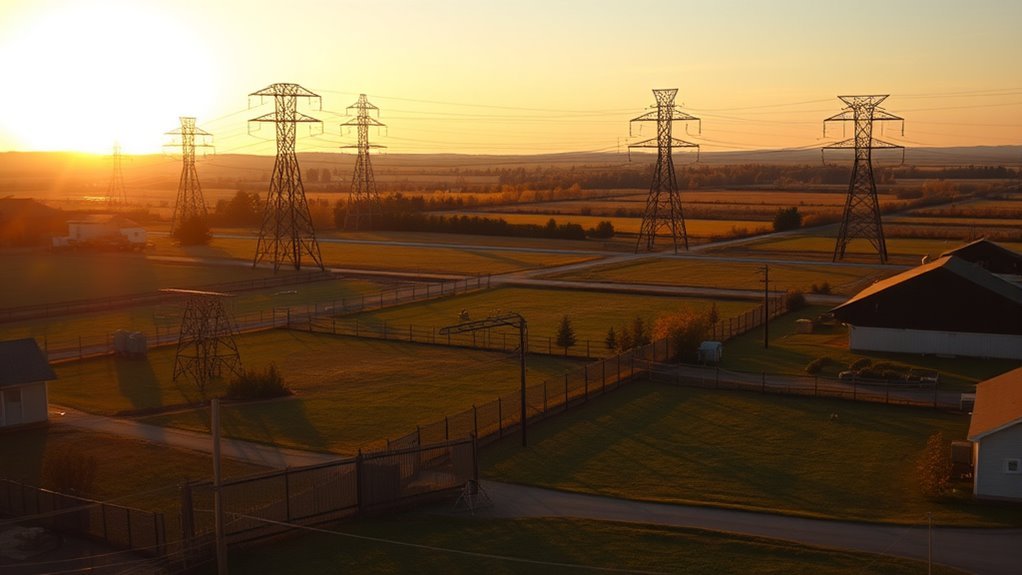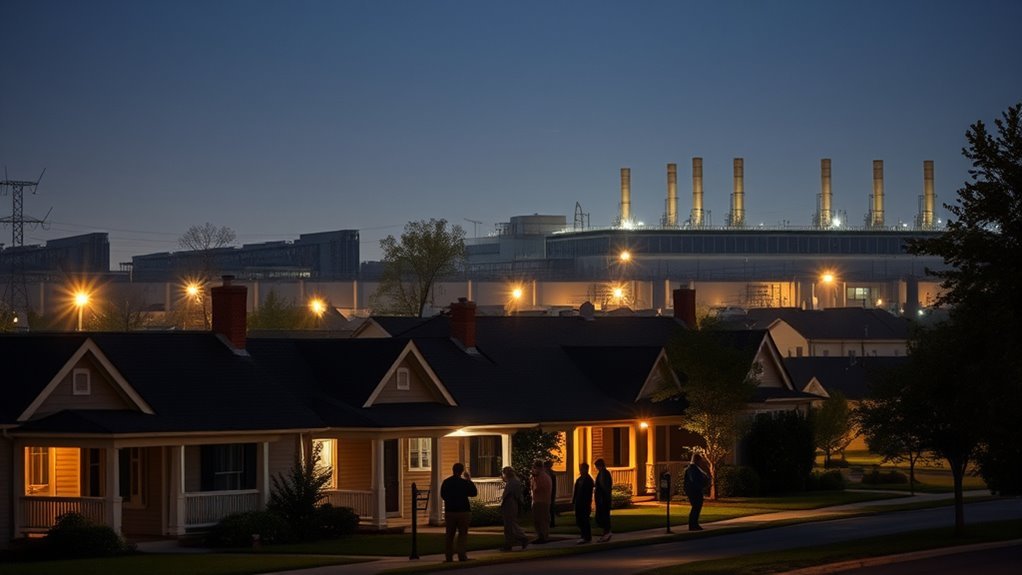

Although AI systems are largely invisible to end users, the data centers that power them are rapidly becoming a major source of electricity demand, with AI‑optimised facilities identified as the primary driver of surging load growth this decade. Global data centers consumed an estimated 415 terawatt‑hours of electricity in 2024, roughly 1.5% of worldwide use, and demand is now rising at double‑digit rates each year. Projections indicate that total data center electricity consumption could more than double to around 945 terawatt‑hours by 2030, pushing the sector’s share of global demand toward 3% and firmly establishing it as a central actor in power system planning.
Invisible AI is quietly turning data centers into central pillars of accelerating global electricity demand
In this expansion, AI workloads represent a rapidly growing fraction of the total. In 2024–2025, AI computing is estimated to account for roughly 20–25% of all data center electricity use, corresponding to about 110–175 terawatt‑hours per year, largely driven by accelerated computing hardware and intensive training and inference tasks. Scenario analyses suggest that by 2030 AI‑related workloads could represent 35–50% of total data center electricity consumption, in the range of 200–400 terawatt‑hours annually, with AI‑optimised data centers seeing their demand more than quadruple compared with early‑2020s levels.
Regional patterns underscore the scale of the shift. In the United States, data centers already consume more than 4% of national electricity, with an estimated 183 terawatt‑hours of demand in 2024 and a typical hyperscale facility drawing on the order of 100 megawatts of continuous power. Within the United States, more than 4,000 data centers are increasingly clustered in major hubs such as northern Virginia, Dallas, Chicago, and Phoenix, reflecting the importance of abundant power, zoned land, and high-capacity network access for AI infrastructure. The European Union’s data centers used about 70 terawatt‑hours in 2024, with demand projected to rise to roughly 115 terawatt‑hours by 2030 as AI services expand and cloud capacity grows.
Globally, mid‑2020s estimates place data center electricity use between about 497 and 700 terawatt‑hours, implying current consumption in the range of 2–3% of worldwide electricity, before the anticipated surge linked to AI deployment.
Viewed through the lens of power capacity, the potential transformation is even starker. AI data center power demand is estimated at roughly 4 gigawatts in 2024, compared with about 33 gigawatts across all data center workloads. Long‑range projections indicate that AI‑focused demand could grow more than thirtyfold to around 123 gigawatts by 2035, while total data center demand rises to roughly 176 gigawatts.
Under such trajectories, AI could shift from about 12% of data center power demand in 2024 to nearly 70% by 2035, implying that AI data centers alone may consume roughly four times more electricity than today.
These scenarios place AI data centers on an energy scale comparable to mid‑size countries, with projected electricity demand rivaling the annual consumption of nations such as the Netherlands across advanced and emerging economies. As AI adoption accelerates across sectors, the mix of expanding workloads and high‑power chips will force grid planners, utilities, and policymakers to integrate this growth while safeguarding system reliability and advancing climate targets.