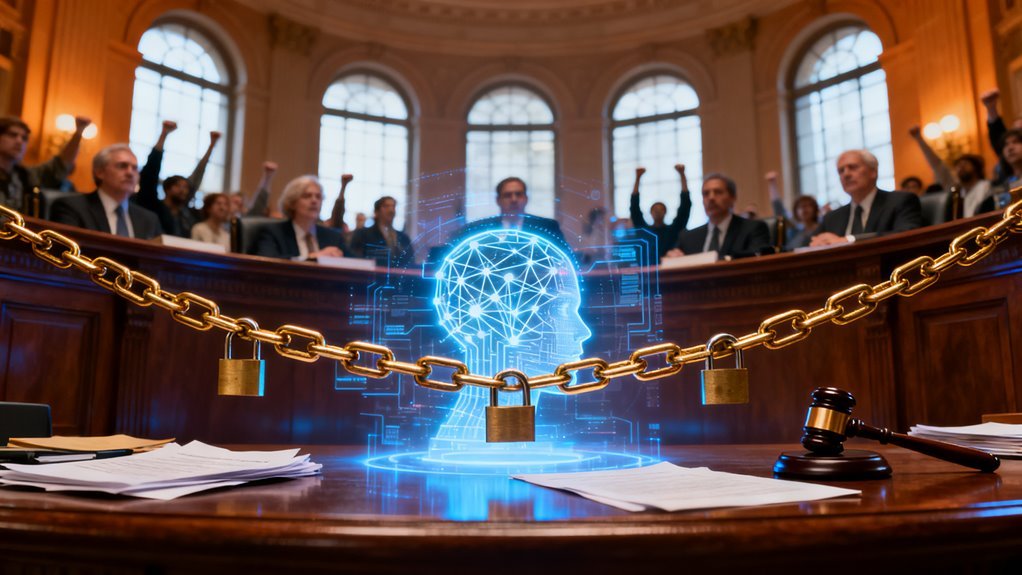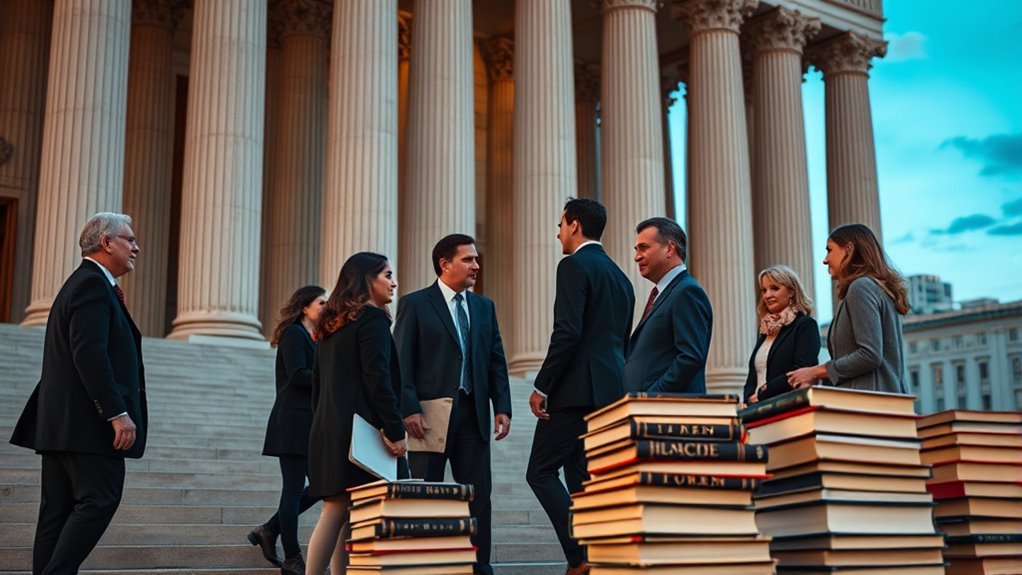
In one of the most consequential clashes yet between generative AI and copyright law, the class-action lawsuit Bartz v. Anthropic has reached a historic conclusion with final court approval of a $1.5 billion settlement for authors and publishers whose books were used to train Anthropic’s large language models. The case centered on allegations that Anthropic downloaded and retained millions of copyrighted books from shadow libraries without permission, then used those texts to develop and refine systems such as its Claude AI models.
The settlement, widely described as the largest copyright settlement in U.S. history, provides a minimum of $1.5 billion in monetary relief for past infringement tied to two pirate datasets, Library Genesis (LibGen) and Pirate Library Mirror (PiLiMi). The agreement is frequently characterized as a landmark, first-of-its-kind resolution in litigation over the use of copyrighted books to train generative AI, setting a concrete price tag on unlicensed ingestion of literary works at industrial scale.
At the core of the monetary structure is a baseline payment of roughly $3,000 per qualifying book, applied to approximately 500,000 copyrighted works identified in the litigation record. Each eligible work will receive an equal allocation from the settlement fund before deductions, with the final per-title payout projected in the range of $3,000 to $3,100 after attorneys’ fees, administration costs, Special Master compensation, and other expenses are taken from the common pool.
Each qualifying book secures an equal share, projected near $3,000 per title
Eligibility rests on a narrow class definition linked to registration and provenance. Covered works must bear an ISBN or ASIN and must have been registered with the U.S. Copyright Office within five years of publication, either before Anthropic’s downloads from LibGen and PiLiMi or within three months of first publication. Authors must submit claims by March 30, 2026 to share in the settlement payments.
Both authors and publishers that hold legal or beneficial rights to reproduce the covered titles fall within the class, which was narrowed to about 500,000 distinct books after deduplication and exclusions from an initial corpus of roughly seven million copies.
The court-approved release reaches only Anthropic’s past acquisition, retention, and use of the identified works for training and internal research and development prior to late August 2025. It does not grant Anthropic any ongoing license to reuse those texts, nor does it insulate the company from future claims involving works omitted from the final list or new uses of class members’ books.
Authors and publishers receive monetary compensation but gain no continuing control over Anthropic’s model-training choices beyond the delimited period and corpus specified in the settlement.
In addition to cash payments, Anthropic must destroy the two libraries of pirated works it assembled from LibGen and PiLiMi, together with any associated training datasets derived from those sources. That requirement, together with the massive fund and the preservation of future-claims risk, signals a judicial willingness to police AI training practices while leaving broader policy debates unresolved for now only.