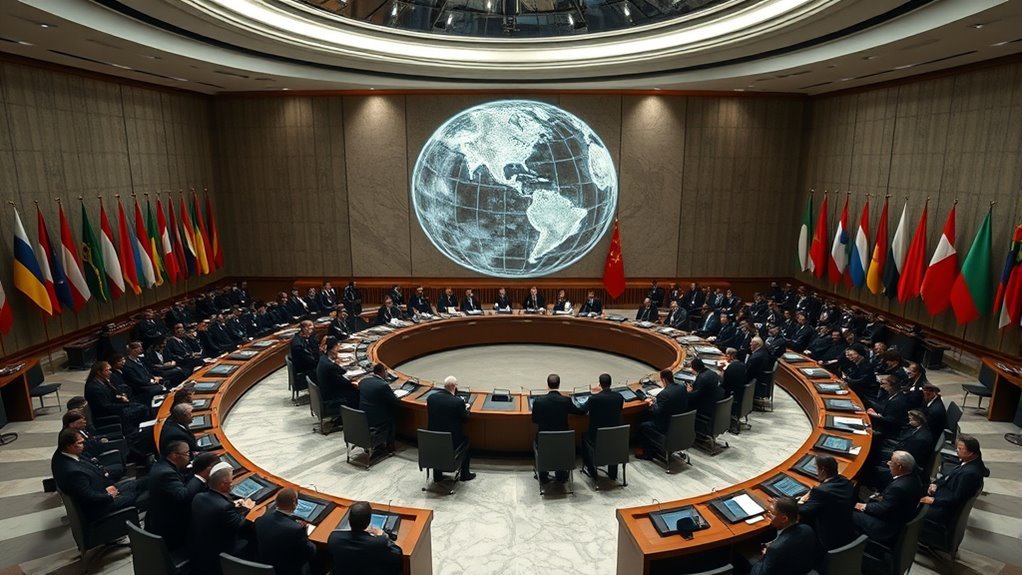
The World Artificial Intelligence Cooperation Organization (WAICO) is an intergovernmental organization established on 16 July 2026, when representatives of 29 founding states signed its founding agreement during the World AI Conference in Shanghai. The signing ceremony was attended by the UN Secretary-General, signaling a deliberate linkage between WAICO and broader UN-led governance debates.
China led the initiative alongside Russia, Belarus, Serbia, Cuba, Brazil, Venezuela, and a broad coalition of African and Asian states. The founding membership includes 10 African and 12 Asian countries, giving the organization a pronounced Global South character. The United States, European Union member states, the United Kingdom, Japan, and South Korea were absent from the founding group. WAICO operates an open membership policy requiring no regime-type test, positioning inclusivity as a foundational principle.
WAICO’s founding membership spans Africa, Asia, and Latin America — with Western powers notably absent from the table.
The organization is headquartered in Shanghai and draws its conceptual origins from China’s Global AI Governance Initiative and a UN General Assembly resolution on international AI capacity building. Its stated aims center on promoting AI cooperation, supporting global governance, and fostering AI ecosystems defined as safe, fair, and orderly. The agenda is oriented toward closing global AI capability gaps, distinguishing it from frameworks primarily concerned with risk restriction.
WAICO’s stated principles emphasize safety, fairness, and the amplification of developing countries’ voices in AI rulemaking. The organization supports enhanced North-South and South-South cooperation and advocates for a globally scoped AI governance mechanism operating through the UN as its main institutional channel. Its declaration language explicitly encourages participation from international organizations, enterprises, research institutes, and civil society bodies, reflecting multistakeholder ambitions.
The launch occurs within a sharply competitive landscape over AI standards and governance influence, primarily shaped by US-China rivalry. WAICO now sits alongside existing frameworks including the UN, UNESCO, the OECD, the G7, and EU regulatory structures, each advancing distinct normative approaches to AI accountability, safety, and development.
Where Western-aligned frameworks have tended to prioritize risk management and rights-based principles, WAICO’s orientation toward development and capacity building reflects different priorities prevalent among Global South governments.
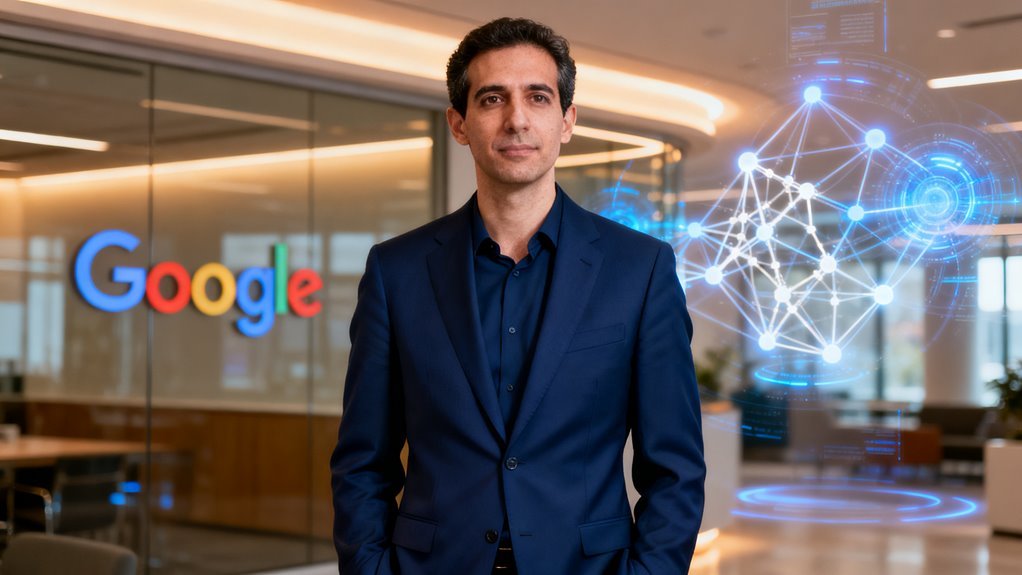
The organization’s founding membership composition and its alignment with Chinese foreign policy initiatives have drawn attention to the geopolitical dimensions of its creation. Critics and analysts are likely to examine whether WAICO functions primarily as a technical cooperation body or as an instrument for advancing alternative governance norms that challenge established Western-led frameworks. Demis Hassabis, CEO of Google DeepMind, has called for the United States to take the lead in global AI regulation, proposing a new Standards Body modeled on public-private partnerships to counter the influence of emerging alternative frameworks.
Supporters argue the organization addresses a genuine gap by centering developing-country interests in governance processes that have historically been shaped by wealthier states.
Whether WAICO develops meaningful institutional capacity or remains a declaratory platform will depend on the resources committed by member states, the coherence of its governance outputs, and its ability to engage credibly with parallel multilateral processes already underway at the UN and elsewhere.