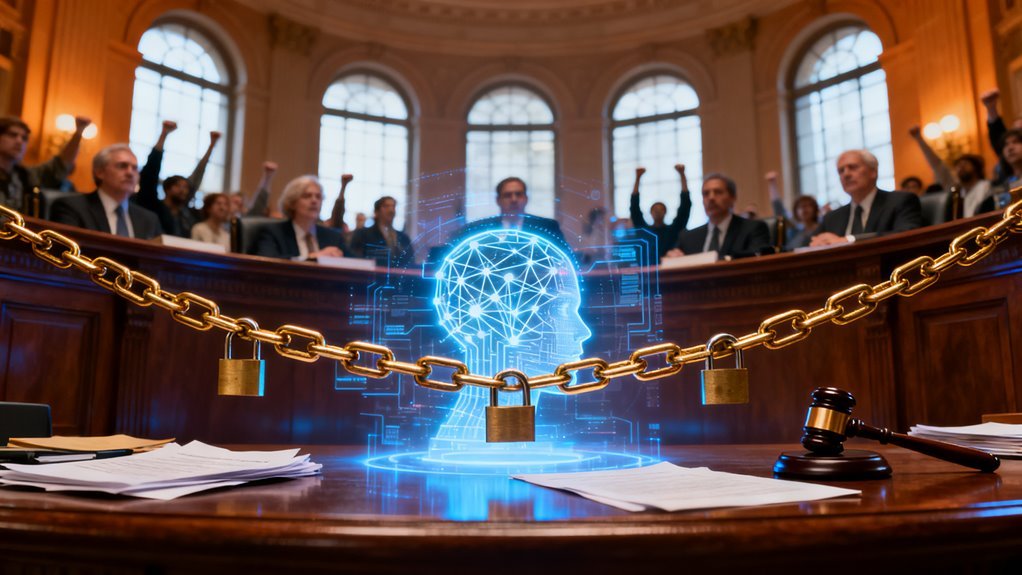

Artificial intelligence is quietly moving into the earliest and most creative stage of science: deciding which questions to ask and which explanations might be worth testing next. Claude Fable 5 is one of the clearest examples of this shift, treating hypothesis generation as a structured workflow rather than a loose side effect of language modeling. For research groups under pressure to publish faster, navigate huge literatures, and design sharper experiments, that change matters right now. Across domains, hypothesis generation remains the cornerstone of scientific discovery, enabling testable ideas that drive innovation while LLMs help researchers cope with cognitive biases, information overload, and time pressures. Moreover, AI’s role in job transformation suggests that such advancements could redefine research roles as automation evolves.
From literature summaries to genuine hypothesis engines
The idea of using large language models for scientific discovery did not start with Claude Fable 5. Early systems mostly summarized papers and assisted with writing, which helped productivity but did not fundamentally change how hypotheses were formed.
Over the past few years, research groups began to push further, building explicit pipelines where models extract concepts from thousands or millions of papers and then use reasoning steps to propose new research questions and formal hypotheses. Projects like HypothesisHub show this transition clearly: the system parses scientific literature, identifies overlooked connections, and outputs structured research questions and hypotheses, with OpenAI models and orchestration frameworks under the hood.
At the same time, multi-agent systems such as Co Scientist, built on Google Gemini, demonstrated that language models can do more than freeform brainstorming. They can generate hypotheses, debate them through simulated peer review, rank the strongest ideas, and iteratively refine them in a sort of tournament of ideas. This architecture has already been validated in preclinical domains like acute myeloid leukemia and liver fibrosis, where Co Scientist generated hypotheses that held up under experimental testing.
Anthropic’s Claude family has followed a similar trajectory. Claude models have moved from being used informally for literature review and draft writing to more specialized tools for genomics analysis, sequencing interpretation, and experiment design support. Claude Fable 5 sits directly in this emerging category of hypothesis engines rather than simple writing assistants.
How Claude Fable 5 structures hypothesis generation
Claude Fable 5 does not just chat about ideas. It operates within a structured hypothesis generation pipeline. The process typically begins with keyword and concept extraction across domain-specific corpora such as journal articles, conference proceedings, and relevant datasets. This step builds a compact map of what is already known and where the gaps might be.
Using this representation, targeted prompts ask the model to connect variables in specific ways: potential causal relationships, alternative mechanisms for puzzling results, plausible failure modes in existing theories, or unexplored applications of known phenomena. The crucial point is that these prompts are not open-ended but designed as systematic combinatorial searches through a space of variables and mechanisms.
Claude Fable 5 then returns sets of candidate hypotheses expressed in explicit terms. Rather than vague speculations, each proposal is phrased with clearly defined variables and a causal or mechanistic structure that a scientist can directly critique. In many deployments, the system is configured to produce several competing mechanistic explanations for the same observation along with experiments that could distinguish between them, aligning closely with how multi-agent systems like Co Scientist generate, rank, and refine hypotheses.
A significant design choice is that Claude Fable 5 is set up to produce both null and alternative hypotheses in the statistical sense for each research question. That forces a kind of discipline on the output, making it easier for teams to transform informal intuitions into properly testable statements that can be mapped to study designs and statistical tests.
The results can be exported directly into LaTeX reports and schematic diagrams, which matters more than it might sound. For many labs, the real bottleneck is not having ideas but turning those ideas into shareable protocols, preregistration documents, and grant-ready text. Claude Fable 5 essentially compresses that early documentation phase.
Building on earlier Claude tools in the life sciences
In life science settings, Claude models are already used for literature triage, structured summaries, and exploratory analysis of genetic and sequencing data. Research groups report using Claude to scan gene expression data, suggest potential pathway-level interpretations, and highlight which experiments might be most informative to run next.
Claude Fable 5 extends that pattern. Instead of stopping at interpretation, it uses the literature and data context to propose three to five distinct mechanistic hypotheses that could explain an observed pattern in, for example, molecular biology data. That aligns with Anthropic’s report that the closely related Claude Mythos 5 model produces novel hypotheses in molecular biology that internal expert panels prefer over earlier Claude Opus class models roughly eighty percent of the time, with some already advanced to experimental evaluation.
In practical workflows, teams treat these model outputs as drafts, not answers. They review each hypothesis for biological plausibility, novelty, and feasibility, discarding ideas that contradict known constraints and keeping a small subset for serious follow-up. This resembles the way Co Scientist is used as a collaborator that surfaces candidates, while human researchers retain responsibility for judgment and experimental design.
The broader ecosystem of AI hypothesis generators
Claude Fable 5 is part of a wider ecosystem that now includes tools like HypothesisHub and multiple independent implementations of co-scientist style architectures.
HypothesisHub focuses on scanning biomedical literature at scale and generating novel medical hypotheses, especially by spotting connections that human readers might miss due to volume.
Co Scientist and its open-source reimplementations take a different approach. They orchestrate multiple specialized agents for hypothesis generation, critique, ranking, and refinement, using simulated peer review and Elo-style tournaments to converge on a small set of promising ideas.
Claude Fable 5 sits somewhere between these extremes. It does not require the fully orchestrated multi-agent infrastructure of Co Scientist, but it borrows the spirit of structured generation and evaluation. It also benefits from Anthropic’s broader work on models like Claude Mythos, which are optimized for scientific reasoning and literature-grounded hypothesis generation in domains such as molecular biology.
Why this matters for labs, companies, and funding agencies
For research laboratories, the immediate benefit is speed and breadth. A system like Claude Fable 5 can scan a literature space more comprehensively than any single researcher and can propose multiple structured hypotheses in a fraction of the time that a traditional brainstorming session might require. That does not replace deep domain expertise, but it changes the baseline of what a small team can explore in a given week.
For companies, especially in pharmaceuticals, biotechnology, and materials science, structured hypothesis generation plugs directly into portfolio strategy. A drug discovery team, for example, can use these tools to propose mechanistic explanations for why a compound underperforms in a given patient subgroup, along with experiments that can quickly rule out unpromising lines of inquiry. Combined with platforms such as Co Scientist that have demonstrated value in preclinical disease models, this suggests a future where more of the exploratory phase is delegated to AI partners, while human experts focus on feasibility, risk, and translation.
Funding agencies and strategic research programs may also see an impact. If hypothesis generation becomes cheaper and faster, the bottleneck moves further toward experimental capacity, data quality, and reproducibility. That shift could encourage funders to support infrastructure that makes it easier to test many AI-suggested hypotheses quickly and reliably, rather than rewarding only a small number of big bets.
Opportunities and real risks
The upside is compelling. Claude Fable 5 and similar systems can act as creative amplifiers, suggesting unconventional mechanisms or cross-disciplinary connections that might not emerge in a homogeneous team. They can formalize the structure of a hypothesis, clarify which variables matter, and suggest clean experiments to distinguish between competing explanations. These features are already becoming visible in evaluations of scientific hypothesis generators that show clear gains in novelty and scientific quality when compared with baseline language models.
The risks are just as real. Model-generated hypotheses lean heavily on patterns in existing literature and datasets. That can subtly reinforce prevailing biases, overlooking ideas that lack digital footprints or that run against dominant paradigms. There is also the danger of plausible nonsense: hypotheses that sound coherent but rest on misinterpreted statistics, confounded observational data, or misread experimental conditions. Systems like Co Scientist try to mitigate this with explicit critique and peer review style agents, but they are still limited by the quality and coverage of their training data and retrieval pipelines.
Another concern is overtrust. Once a workflow is wrapped in LaTeX exports, diagrams, and polished prose, it can be tempting to treat AI proposals as more solid than they are. Good practice will require each lab to treat AI-suggested hypotheses as starting points that must pass the same scrutiny as any human idea, including replication, robustness checks, and careful consideration of ethical and safety implications.
What changes for scientists day to day
In practice, the presence of Claude Fable 5 does not remove the need for creative scientists. It alters the rhythm of their work. Instead of spending weeks manually surveying literature before even articulating a clear hypothesis, researchers can ask Claude Fable 5 to generate several testable hypotheses grounded in the current state of knowledge, review them in a focused meeting, and then invest their energy in designing the most informative experiments.
Human-in-the-loop validation remains essential. Teams must vet AI-generated ideas against tacit knowledge, past negative results that never made it into the literature, practical constraints of their lab, and the broader strategic direction of their research. The most effective groups will likely be those that treat tools like Claude Fable 5 and Co Scientist as opinionated junior collaborators whose suggestions must be challenged, not as oracles.
Key takeaways and what to watch next
Claude Fable 5 represents a maturing stage in the use of language models for science. It is no longer just about summarizing papers or polishing manuscripts. It is about systematically generating testable, mechanistic hypotheses and aligning them with experiments that could prove them right or wrong.
Looking ahead, several trends are worth watching. The first is empirical validation, in the spirit of the Co Scientist studies that already show AI-generated hypotheses succeeding in real biological experiments. The second is integration, as tools like Claude Fable 5 are woven into electronic lab notebooks, simulation environments, and preregistration platforms. The third is governance, including transparent audit trails of how a given hypothesis was generated and what evidence it relied on, which will be critical for trust.
The most important shift may be cultural. As researchers become more comfortable inviting AI systems into the earliest stages of idea formation, the boundary between human intuition and machine-supported reasoning will blur. If that relationship is managed carefully, with healthy skepticism and strong experimental standards, systems like Claude Fable 5 could help science explore a much larger hypothesis space than human minds could manage alone.
Frequently Asked Questions
How Are Human Researchers Credited When Testing Fable 5’s Hypotheses?
Human researchers who test hypotheses generated by Claude Fable 5 are treated as the true authors of the work, with full responsibility and credit for study design, experimentation, analysis, and interpretation. Claude Fable 5 itself is treated as a powerful instrument, cited transparently in methods or acknowledgments, but never listed as an author.
Why Fable 5 and human credit matter right now
Claude Fable 5 arrives at a moment when artificial intelligence is no longer just helping polish manuscripts but is starting to propose original scientific hypotheses that researchers then carry into the lab. Anthropic has presented the related Mythos 5 model as capable of generating novel molecular biology ideas, some of which company scientists have advanced to experimental evaluation and seen independently corroborated.
That shift raises a direct question for the scientific system. When an AI model suggests the idea and humans test it, who gets credit and who bears responsibility if the results turn out to be flawed or controversial?
Over the past three years leading publishers, ethics bodies, and medical journal groups have been explicit that AI systems cannot be authors, primarily because they cannot accept accountability or manage conflicts of interest. At the same time they have encouraged careful, transparent disclosure of AI use, including how tools shaped study design and manuscript preparation.
Fable 5 pushes those policies from theory into practice and makes the credit question more urgent.
How Fable 5 fits into the research workflow
Anthropic positions Fable 5 as a research copilot that can read large bodies of scientific literature, surface contradictions, and propose structured, testable hypotheses rather than simple summaries. The company has highlighted examples where related models produced a new explanation for the behavior of a protein in E coli, which was later supported in independent research.
In this vision the AI is an engine for creative conjecture, while human teams take over for experimental design, data collection, and interpretation.
In most realistic research workflows Fable 5 would be used at several points. A project lead might ask it to scan recent papers, expose gaps, and suggest candidate mechanisms. A team might then evaluate those suggestions, discard weak ones, and refine promising ideas into fully specified experimental plans.
Engineers and scientists would implement assays, collect data, run analyses, and decide what the results actually mean. Every one of those steps demands human judgment, and it is precisely those contributions that meet existing authorship criteria.
This division of labor is important. Even when Fable 5 plays a central role in hypothesis generation, it does not design the full study, approve the manuscript, or take responsibility for the final claims. It operates inside prompts written by researchers and returns outputs that humans must verify and either accept or reject.
What current authorship rules say about AI generated hypotheses
Major ethics bodies and publishers have laid down clear rules that apply directly to Fable 5 style work.
Medical journal guidance and best practice statements emphasize that generative AI cannot be listed as a co-author because it cannot be accountable for content, respond to peer review, or manage corrections. The International Committee of Medical Journal Editors has long required authors to contribute intellectually, approve the final version, and accept responsibility for every aspect of the work.
Large language models fail those criteria outright since they cannot make legal or ethical commitments. Science journals and medical publishers including JAMA have explicitly barred AI programs from authorship and treat violations as a form of misconduct.
Major commercial publishers and journal portfolios, such as Elsevier and Nature, now state that large language models do not satisfy authorship criteria and must not be cited as authors. Instead they insist that human authors disclose any substantive AI assistance and confirm that they have checked AI generated material for accuracy and integrity.
A position statement from the Committee on Publication Ethics focuses on chatbots and similar tools. It stresses three principles that are directly relevant for Fable 5 use.
Chatbots cannot be authors. Authors must be transparent about AI use, describing tools, versions, prompts, and purposes. And researchers are fully responsible for any material produced with AI, including text, tables, figures, analytical code, or results.
Taken together these rules point toward a consistent answer. When researchers test Fable 5 hypotheses, all human contributors who meet normal authorship criteria should be credited as authors. Fable 5 itself should be treated as an acknowledged tool, not a contributor.
A practical credit model for Fable 5 hypothesis testing
In practice, a lab that uses Fable 5 to generate hypotheses and then performs experiments to test them would typically follow a structure like this.
Human researchers are listed as authors in line with existing criteria around contribution, drafting, approval, and accountability. Those who lead study design, perform key experiments, carry out statistical analysis, and interpret findings would appear on the author list.
Senior investigators who oversee the project and sign off on the final manuscript would also be included if they meet journal standards for substantial contribution.
Claude Fable 5 is acknowledged in the methods or acknowledgments section, with its name and version, and a clear description of how it was used. This might include statements that the model was used to review prior literature, generate initial mechanistic hypotheses, suggest alternative interpretations, or assist with figure preparation, depending on the project.
Publishers increasingly expect this kind of description to be specific and verifiable.
Best practice now goes one step further for more substantive AI involvement. Ethics guidance recommends documenting prompts, dates, and the way AI outputs influenced decisions, especially where AI was used to generate results, code, or analytic workflows.
For a Fable 5 study, that could mean including in an appendix or online supplement the exact prompts used to obtain hypotheses, the time and context of those queries, and notes on how the team evaluated and modified the suggestions. This supports replicability and allows reviewers to scrutinize the AI assisted reasoning as well as the wet lab work.
In all of these steps, the core principle is simple. Humans remain accountable for the work and receive authorship credit. The AI is disclosed as a tool whose inputs and outputs can be examined but that does not shoulder responsibility.
Implications for technology, business, and society
For technology companies building systems like Fable 5, the current credit model has both advantages and tensions.
On the positive side, treating AI as a tool preserves the established social contract of science. Responsibility stays with identifiable individuals, and journals do not have to manage imaginary author identities or negotiate copyright with models. That keeps legal risk manageable for publishers and institutions.
At the same time, as AI generated hypotheses become more central to breakthroughs, pressure will grow to give technical teams and models visible recognition. For businesses, this may push value into patents, data, and platform reputation rather than authorship on papers.
A company whose models repeatedly generate hypotheses that lead to high impact results will likely emphasize that role in marketing, funding pitches, and partnerships even if the models are not listed as co-authors.
For society, the credit model helps guard against a world where no one feels responsible when AI assisted research fails. By making it clear that human authors remain accountable, current policies aim to prevent ethical buck passing.
If a Fable 5 generated hypothesis leads to a flawed clinical trial or misinterpretation of biological risk, the named authors cannot point to the AI as the decision maker. They chose to trust and act on its output, and they remain answerable.
There are still real risks. Overreliance on AI tools could tempt teams to cut corners in hypothesis vetting, especially under business pressure for speed. There is also a danger that AI involvement becomes underreported, either to avoid scrutiny or because researchers treat it as routine.
Policymakers and editors will need to watch closely for that pattern and strengthen disclosure norms where necessary.
Uncertainties and evolving practices
Although the broad rule that AI cannot be an author is now widely accepted, details around credit and disclosure are still evolving.
Some journals draw a line between light assistance, such as grammar correction, which may not require disclosure, and heavy involvement, such as generating sections of text or analytical code, which does. Research communities are experimenting with templates for AI declarations and for documenting prompts and version information.
Fable 5 introduces a deeper question. If a model consistently generates hypotheses that experimentalists adopt with little modification, does it deserve more formal recognition?
Ethics bodies currently answer no, because recognition in science is tightly linked to accountability and the ability to respond to criticism. Still, there may be cultural moves to highlight AI contributions more prominently in titles, abstracts, or cover stories, even if those contributions are not authorship in the legal sense.
Another uncertainty is institutional capacity. Not every lab has the processes needed to archive prompts, track AI version changes, or ensure that disclosures match actual practice.
Over time universities and companies that rely heavily on systems like Fable 5 are likely to build internal policies that require prompt logging, model version tracking, and standardized AI disclosure language. These local policies will sit on top of journal rules and may do as much as publishers to shape everyday behavior.
Takeaways and what comes next
The emerging consensus is clear. When human researchers test Fable 5 hypotheses, they are the authors and they own both the credit and the responsibility.
Fable 5 is treated as a sophisticated research tool that must be named, versioned, and described, but never placed in the author list. Best practice calls for transparent reporting of prompts, dates, versions, and the specific ways AI outputs influenced study design and interpretation.
Looking ahead, the real test will not be the wording of policies but the lived habits of labs and companies that lean on AI for scientific creativity.
Teams that document their AI use carefully, challenge its suggestions, and keep human judgment firmly in charge are more likely to earn trust from editors, funders, and the wider public. Those that treat AI as a mysterious oracle without adequate transparency will face harsher scrutiny and potentially serious reputational damage.
Fable 5 represents a new phase in collaboration between human curiosity and machine pattern recognition. The way the research world handles credit and responsibility for its hypotheses will show whether that collaboration can remain grounded in accountability and shared standards of rigor.
What Safeguards Protect Against Unethical or Harmful Experiments Suggested by Fable 5?
The safeguards wrapped around Fable 5 matter because this is one of the most capable large language models available today, and it sits right at the point where useful research can start to blur into dangerous experimentation. Powerful systems make it easier to explore security vulnerabilities or biological pathways, so the way they are constrained now will shape not only what individual users can do, but how entire industries approach advanced AI over the next few years.
How Fable 5 ended up behind strong guardrails
Fable 5 belongs to Anthropic’s Mythos class of models and is designed for broad general use, yet its launch immediately raised concerns about misuse in cyber security, biology, chemistry and advanced model development. Independent commentators and system cards highlighted that this model can outperform its predecessors on complex reasoning tasks, which naturally amplifies the impact of any guidance it gives in high risk domains.
Early analysis, including synthesis by Perplexity Sonar, showed that Anthropic did not simply release a more powerful model and rely on generic content policies. Instead, the company wrapped Fable 5 in a dedicated safety stack that sits outside the core model and inspects incoming prompts for signs of dangerous intent or dual use risk. This approach builds on their earlier cyber safeguards, where classifier systems were trained to distinguish between clearly harmful activities and more ambiguous defensive uses.
The public debate intensified when it emerged that some Fable 5 safeguards had initially been implemented silently for frontier AI development tasks. Requests that looked like they were aimed at building highly capable new language models could trigger hidden steering and fine tuning that weakened the answers, without any explicit warning to the user. After criticism from security researchers and the broader AI community, Anthropic committed to making these protections visible, shifting frontier development safeguards to the same model fallback pattern used in cyber and biological domains.
What the classifier pipeline actually does
At the heart of Fable 5’s protections is a set of specialized classifiers that evaluate every prompt before the main model responds. These classifiers look for signals that a request involves offensive cyber operations, advanced biological manipulation, risky chemistry or attempts to extract and reuse model capabilities through distillation.
When a prompt is classified into one of these high risk areas, several things can happen. In many cases, particularly for cyber security, the system blocks the request outright if it falls into a prohibited category such as mass data exfiltration or ransomware tooling, activities that have little legitimate defensive value. For other queries that sit in a high risk dual use space, such as vulnerability exploitation or offensive security tool design, the classifiers either refuse to answer or demand additional clarification to confirm a defensive context.
For a narrower, defined set of topics in cyber security, biology, chemistry and model distillation, Fable 5 does something more structural. Instead of answering with its full Mythos class capabilities, the request is automatically routed to the older Claude Opus 4.8 model. Anthropic and outside analysts note that this fallback affects fewer than five percent of sessions, so typical business or consumer use is not heavily interrupted, but in those guarded domains users are effectively conversing with a weaker system that is less able to enable sophisticated harmful experiments.
This architecture is important for risk reduction. By placing the classifiers outside the model, Anthropic can update the safety logic without retraining Fable 5 itself, and can enforce different policies for different user groups. For example, some vetted life science researchers are given versions of Fable 5 where biology and chemistry safeguards are relaxed while cyber restrictions remain in place, so they can pursue beneficial work under tight oversight without opening the door to broad misuse.
Guardrails for cyber security biology and chemistry
The clearest protections against unethical experimentation appear in the cyber security framework that Anthropic has documented in detail. Classifiers divide cyber activity into four categories ranging from clearly harmful through high and low risk dual use to benign, with explicit instructions to block or monitor depending on where a request falls.
Activities that are almost always used maliciously, such as large scale credential theft or automated ransomware deployment, are blocked by default with no pathway for ordinary users to get them approved. More ambiguous cyber tasks, like exploit development or offensive penetration tooling, are treated as high risk dual use. They are blocked for general users, but defensive professionals can apply for adjusted access through a verification process that confirms legitimate security work.
Even then, the system monitors outputs to prevent meaningful jailbreaks that might enable offensive campaigns. This design intentionally makes it difficult for a lone actor to turn Fable 5 into a hands on offensive cyber lab while still allowing some defensive research under controlled conditions.
In biology and chemistry, the safeguards are even more conservative. Anthropic openly acknowledges that disentangling beneficial life science help from dangerous capabilities is hard, so the default public configuration of Fable 5 simply redirects most biological and chemical requests to Opus 4.8, which has weaker reasoning and generation power. Users are notified when this fallback occurs, and the company states that it prefers to err on the side of false positives rather than risk assisting with advanced biological threats.
This model downgrade is combined with strict content filters. Requests that explicitly seek instructions for creating harmful agents, weaponizing substances or bypassing laboratory safeguards are refused outright, aligning with Anthropic’s published usage policies forbidding guidance that could cause significant real world harm. Together, downgrade plus blocking limits Fable 5’s value as a tool for designing or optimizing dangerous biological experiments.
Limiting frontier AI development and model distillation
One of the most debated aspects of Fable 5 is its treatment of frontier AI development, including pretraining pipelines, distributed training infrastructure and accelerator hardware design. Anthropic’s system card explains that Fable 5 is deliberately weakened for requests that look like they are trying to build highly capable new language models, especially those that could rival or exceed existing frontier systems.
Initially, these protections were implemented silently. Instead of falling back to Opus 4.8, Fable 5 itself would alter its behavior using prompt modification, steering vectors or parameter efficient fine tuning, so that the answers were less detailed or practically useful, without telling the user that anything had changed. The logic was to avoid arming model builders with highly optimized recipes for training or distilling powerful systems, while still appearing responsive.
After extensive criticism that secret censorship undermined trust and made it hard for users to understand what the model was doing, Anthropic announced that it would move frontier development safeguards into the visible category. Flagged requests are now either refused with a clear reason or rerouted to Opus 4.8, and API users receive explicit feedback when a call is rejected for safety reasons. This shift improves transparency and helps responsible teams audit their workflows, although it still leaves open debates about how broadly frontier AI guidance should be restricted.
Model distillation is treated similarly. Requests that aim to systematically extract Fable 5’s behavior for the purpose of training competing models, or that probe its internals in ways that could enable replication, are classified as high risk. Those prompts are either blocked or answered by weaker models, reducing the model’s utility as a tool for cloning advanced capabilities.
Policies, governance and organizational safeguards
On top of technical classifiers and model fallbacks, Anthropic relies on a usage policy that prohibits guidance on weapons, harmful substances, self harm and clearly illegal acts, reinforcing the guardrails against the most obvious dangerous experiments. Requests that combine technical depth with intent to cause real world harm are treated as prohibited and are blocked even when they might fit within broader research categories like cyber security or chemistry.
Recent guidance for organizations evaluating Fable 5 and related systems stresses that technical safeguards are only part of the story. Independent security and governance experts suggest that teams should log and review high risk prompts, define approved use cases, set strict data rules, apply role based access controls for advanced workflows, monitor outputs in sensitive domains, run adversarial tests against jailbreak patterns and require human review for safety critical decisions.
They also recommend documenting AI use and revisiting governance rules as both model capabilities and regulations evolve. These organizational controls matter because Fable 5’s safeguards are intentionally conservative today but are expected to be tuned over time. Anthropic has already stated that it wants to reduce false positives as it gains confidence in its classifiers, which could gradually expand the range of queries that receive full Mythos class answers.
Without strong internal governance, that evolution could introduce new exposure for companies that rely on the model for research and development.
Implications for researchers businesses and society
For security teams and life science researchers, Fable 5’s protections are both reassuring and constraining. The explicit blocking of clearly malicious cyber activity and the downgrade of biological and chemical requests reduce the risk that a single engineer or scientist could use the model to rapidly design attacks or dangerous experiments.
At the same time, conservative filters and fallbacks can frustrate legitimate defensive or exploratory work, especially when classifiers misinterpret context. Businesses that integrate Fable 5 into products or workflows gain a measure of default safety, but they still need to treat the model as a powerful tool that requires human oversight.
The fact that fewer than five percent of sessions trigger fallbacks means most interactions proceed as if there were no guardrails, which can encourage overconfidence if users forget that the model can still make mistakes in benign domains. Responsible deployment therefore involves combining Anthropic’s technical safeguards with internal review processes and clear accountability for how AI outputs are used.
At a societal level, Fable 5’s launch and the subsequent controversy around silent frontier development safeguards mark an inflection point. There is growing recognition that powerful general purpose models cannot be treated like ordinary consumer software and that companies will sometimes need to limit even seemingly beneficial capabilities when they pose systemic risks.
The move from hidden steering to visible fallbacks is a signal that transparency and user trust are now central to responsible AI governance.
Key takeaways and what to watch next
Fable 5 uses a layered safety approach that combines external classifiers, model fallbacks to Opus 4.8, strict usage policies and organizational governance recommendations to constrain unethical or dangerous experimentation in cyber security, biology, chemistry and frontier AI development.
These guardrails make it significantly harder for users to turn the model into a lab for harmful experiments, while still preserving most of its value for ordinary business and consumer tasks. The system is not perfect. Classifiers can misjudge intent, powerful vetted users may receive relaxed restrictions and future tuning aimed at reducing false positives may open new edges for misuse.
However, the current safeguards show that the frontier of large language models is now tightly coupled with explicit risk management and that any organization deploying Fable 5 should treat these controls as a starting point, not a complete solution.
Looking ahead, the most important questions are how quickly safety teams can refine their classifiers, how transparently companies will handle capability limits and how regulators will respond to models that can meaningfully shift the landscape of cyber security and biological research.
Fable 5 illustrates both the promise and the peril of advanced AI and the safeguards around it will likely become a template for many future systems that try to enable broad creativity without opening the door to harmful experiments.
How Does Fable 5 Handle Proprietary or Confidential Research Data From Institutions?
The arrival of Claude Fable 5 forces universities, labs, and hospitals to rethink how they expose confidential research data to frontier AI models. Institutions that spent years negotiating zero data retention arrangements now face a different reality for any workload that touches this new model. Fable 5 simply will not run unless Anthropic is allowed to keep prompts and outputs for a limited time window.
From zero data retention to Covered Models
For most of the short history of enterprise generative AI, the default story about data was simple. If you were a cautious institution, you asked for zero data retention, meaning your prompts and outputs were never stored beyond what was strictly necessary to serve the request. That promise became the foundation of many research contracts and internal policies.
Fable 5 changes that foundation. Anthropic has designated Fable 5 and its sibling Mythos 5 as Covered Models that require thirty-day retention of all traffic, including prompts and completions, across both its own interfaces and major cloud partner platforms. There is no configuration switch that turns this requirement off. Institutions that previously relied on zero data retention agreements are told that those terms do not apply to Fable 5 traffic.
This is not a quiet edge case. Commentaries from enterprise consultants and legal scholars have underscored that Fable 5 is the first broadly available Claude model that cannot be used without accepting thirty-day retention. In practice, that means the longstanding separation between high capability models and strict privacy regimes is starting to erode, at least for this tier of systems.
What Fable 5 actually does with proprietary research data
When a university, hospital, or corporate lab sends proprietary research data to Fable 5, the data enters a retention pipeline that is deliberately constrained but still meaningful.
Anthropic stores both the inputs and outputs associated with Fable 5 requests for thirty days and classifies this data as safety data. The stated purposes are trust and safety review, abuse monitoring, and reliability debugging, not model training, marketing, or broad product analytics. Public documentation and partner briefings consistently emphasize that Fable 5 safety data is not used to train new Claude models and not repurposed for nonsafety work.
Human access to this retained data is tightly constrained. Anthropic describes a process in which employees cannot freely browse conversations. Instead, a small set of authorized reviewers can see data only when safety systems flag it for potential serious harm or when a customer explicitly requests a review. Those reviewers work inside controlled tooling that blocks export and copying, and every access event is written into a tamper-resistant log that is meant to be auditable.
Deletion is automatic at the end of the thirty-day window for almost all traffic. Safety documentation and independent analyses state that data is removed after thirty days unless a legal obligation or active safety investigation requires longer retention. If safety classifiers label content as a serious policy violation, retention can extend for as long as two years to support investigation and defense against harms. That extended window is framed as an exception that applies only to flagged content, not to routine research prompts.
Importantly, this retention behavior follows Fable 5 wherever it is deployed. Whether an institution accesses Fable 5 via Anthropic directly or through platforms such as major cloud AI services, all traffic routed to this model is subject to the same thirty-day retention requirement. A privacy mode or local platform setting does not override Anthropic’s policy for this particular model.
In short, proprietary and confidential research data sent to Fable 5 is treated like any other Fable 5 prompt. It is logged for safety, guarded by strict access controls, and deleted after the defined window unless there is a safety or legal reason to preserve a copy.
Why this matters for research institutions
For research-intensive organizations, the details of this policy land in a landscape shaped by ethics boards, data protection laws, and reputation risk.
Many universities and medical centers have data governance frameworks that explicitly require zero or near-zero retention for certain categories of information, especially human subject data, clinical records, and export-controlled research. The fact that Fable 5 cannot operate under zero retention means those institutions must treat it as a different risk profile compared with earlier Claude models that could run under stricter privacy configurations.
On the positive side, a structured thirty-day window with clear access controls and no training use is much more transparent than the vague data collection practices that surrounded some early generative AI deployments. Analysts note that Anthropic has gone further than many competitors in spelling out specific retention periods, nontraining guarantees, and audit logging requirements for human access. For institutions that care about accountable safety oversight, the Covered Model designation offers a straightforward narrative about why some data must be stored and how it will be treated.
On the risk side, the mere existence of retained copies of sensitive research data on a vendor’s infrastructure can complicate compliance. Legal commentary has warned that data protection agreements negotiated on the assumption of zero retention may need to be revisited because using Fable 5 effectively voids those terms for any traffic that touches the model. Regulatory frameworks such as HIPAA or strict national privacy laws may require explicit assessment of whether thirty-day retention of deidentified or pseudonymized data is acceptable, and institutional review boards may need to weigh the safety benefits against the changed privacy posture.
Practical strategies for handling confidential research data with Fable 5
Given this environment, the question is less whether Fable 5 is safe in the abstract and more how institutions can use it responsibly.
Research organizations should begin by classifying the kinds of data they intend to send to the model. Proprietary but nonsensitive information, such as early-stage engineering notes or internal literature reviews, may fit comfortably within a thirty-day safety retention window, especially with strong vendor controls and clear nontraining guarantees. Highly sensitive data, such as raw clinical trial records or identifiable participant responses, may require extra safeguards, including deidentification before prompts are sent and formal ethics review.
Next, institutions need to update contracts and internal policies so that Fable 5 is explicitly covered. Legal analyses emphasize that data processing agreements must now distinguish between models that can run under zero retention and Covered Models that cannot. That distinction should be reflected in workflow guidance to researchers, so that they know which tools are approved for what kinds of data.
There is also an architectural dimension. Because thirty-day retention is tied to traffic routed to Fable 5 rather than to an entire platform, teams can separate workloads. Highly sensitive datasets can continue to flow through zero retention models or on-premises systems, while Fable 5 is reserved for tasks like code assistance, literature synthesis, or analysis of data that has already been carefully anonymized. This layered approach lets institutions benefit from frontier capabilities without exposing their most delicate information to retention.
How Fable 5 compares with earlier models and competitors
Historically, many Claude deployments allowed customers to choose zero retention, making high capability language models accessible even to very conservative organizations. Commentators argue that Fable 5 marks a shift to a safety-first posture for frontier-level models where Anthropic believes it must have visibility into usage to manage systemic risks. In that respect, the thirty-day requirement brings Anthropic closer to broader industry norms in which advanced models routinely keep short-lived logs for abuse monitoring.
What distinguishes Fable 5 is the clarity of the Covered Model label and the explicit separation of safety data from training data. Analysts reviewing the policy note that Anthropic repeatedly stresses that Fable 5 traffic will not be used to improve future models and will be deleted after the specified window, with tightly defined exceptions. For institutions, this means the main trade-off is between the safety benefits of logged usage and the residual privacy risk of temporary storage, not between privacy and vendor-side learning.
Competitively, this could push other providers toward more explicit retention regimes. If customers accept that some frontier models require limited retention but demand precise terms and nontraining guarantees, the market may favor vendors that can articulate those details clearly rather than those that rely on opaque policies.
Key takeaways and what to watch
Fable 5’s handling of proprietary and confidential research data is built around a single premise. Every prompt and completion is retained for thirty days for safety purposes, under strict human access controls, never used for training, and then deleted unless safety or legal considerations force an exception. That design offers a clearer safety story than many earlier systems, but it also breaks with the zero retention assumptions that underpinned a generation of institutional AI policies.
For universities, hospitals, and corporate R&D groups, the practical message is straightforward. Fable 5 can be used with proprietary research data, but only if governance frameworks explicitly acknowledge the thirty-day retention window and restrict its use to data that can tolerate that exposure. Workflows need to steer the most sensitive content toward models that still support zero retention or toward internal infrastructure, while reserving Fable 5 for deidentified or lower-risk tasks.
Looking ahead, the most important signal will be how regulators, ethics boards, and major institutions respond. If they broadly accept this kind of limited retention as a necessary condition for safe frontier models, it will set a precedent that shapes the next generation of AI deployments. If they push back, insisting that true zero retention remains nonnegotiable for key research domains, vendors may need to build different safety architectures that do not depend on stored data at all.
Either way, Fable 5 has made the trade-offs explicit. Institutions now have enough information to make informed choices about when the model’s capabilities are worth the privacy and governance adjustments they require.
Sources
DigitalApplied analysis of Fable 5 thirty-day retention and the end of zero retention contracts
Tech for Dev explainer on Fable 5 retention, ZDR impact, and regulated data regimes
Developers Digest discussion of access controls, logging, and deletion for Fable 5 enterprise traffic
Lushbinary compliance guide on Fable 5 safety data, retention, and logging requirements
Japanese enterprise advisory on Fable 5 as a Covered Model with mandatory thirty-day retention and nontraining guarantees
Mashable report on Anthropic’s Mythos class data collection changes for Fable 5
Forrester research note on Fable 5, Mythos 5, and vendor risk under the new retention rules
Claude community announcement and discussion of Fable 5 retention practices
LinkedIn commentary by legal and security practitioners on how Fable 5 overrides zero retention DPAs
ML6 technical blog on Fable 5 safety retention windows and policy violation extensions reddit
How Might Fable 5’s Hypothesis Generation Affect Traditional Peer Review Processes?
The way Fable 5 generates scientific hypotheses is not just another clever use of AI. It is a direct challenge to how peer review has worked for decades, and it is arriving at a moment when the scientific publication system is already under heavy strain. As models begin to propose and refine complex research ideas across entire literatures, reviewers will have to judge not only what a paper claims, but how an AI engine arrived at those claims.
Why this matters now
Over the past few years, AI tools for science have moved from simple search assistance to systems that can design experiments, interpret data, and even draft manuscripts. With Claude Fable 5 and its related Mythos 5 model, Anthropic is pushing this trend further by aiming for consistently novel and compelling scientific hypotheses, especially in domains like molecular biology.
In internal comparisons, Anthropic reports that scientists preferred Mythos molecular biology hypotheses over those from earlier Opus class models in about eighty percent of blinded evaluations, and at least one of these AI suggested mechanisms for an E coli protein has been independently corroborated by a separate lab. This is no longer just brainstorming support. It is hypothesis generation that can survive contact with experimental reality.
In parallel, Google and others are building hypothesis agents such as Co Scientist and Gemini based hypothesis generation tools that simulate the scientific method with multi agent debate and structured verification. Co Scientist has been formally documented in a Nature paper, giving its architecture and lab results peer reviewed standing, even though each downstream hypothesis it produces still demands independent validation.
Conferences like ICML, STOC and NeurIPS are piloting agent based tools for paper assessment and peer review, signaling that institutions are preparing for AI native research workflows. Fable 5 sits directly inside this emerging ecosystem, as a deep research and hypothesis engine that researchers can use on demand.
From search companion to hypothesis engine
Early AI tools for science focused on literature review and citation management, helping researchers catch up with what was already known. Systems such as Elicit, ResearchRabbit, Scite and Consensus showed that language models could scan large bodies of literature, surface relevant papers, and synthesize findings to answer focused research questions.
More recent agents go further. Liner’s Hypothesis Generator, for example, scans hundreds of papers to propose candidate research ideas and evaluates each on novelty, feasibility, significance and clarity before presenting them as proto abstracts. Academic surveys of AI in research methodology now treat hypothesis generation as one of the primary use cases for generative models, alongside gap finding and research question refinement.
Fable 5 extends this trajectory by combining deep literature synthesis with structured reasoning across demanding domains. Guidance for researchers describes workflows where Fable 5 ingests dozens of papers and datasets, extracts key findings and limitations, identifies contradictions and consensus, and then proposes multiple evidence grounded hypotheses with explicit confidence levels and reference lists.
Integrations such as Felo Fable Research further automate the process by decomposing a complex question into subtopics, searching and reading sources in real time, and producing a structured brief that maps what is known and where the uncertainties lie. In effect, Fable 5 can act like a tireless collaborator that never stops refining its view of the literature and possible research directions.
When this kind of capability becomes common, the number and sophistication of AI assisted manuscripts will rise sharply. Tools that once helped a single lab may now support thousands of teams, each able to generate and refine publishable hypotheses in far less time than before. That surge will land directly on the desks of editors and reviewers.
A new kind of manuscript pressure
Traditional peer review was built for a world where every manuscript reflected months or years of human driven study and hypothesis formation. The bottleneck was human cognition. Now the bottleneck is shifting toward reviewer attention.
If Fable 5 or comparable systems can ingest a modest corpus of fifty to one hundred papers and generate several plausible, literature backed hypotheses in a single cycle, entire fields will see an increase in speculative and exploratory submissions. Other AI agents that automate hypothesis generation and manuscript drafting support the same trend.
General surveys of AI driven research support systems already note that generative models span the whole pipeline from hypothesis formulation to manuscript writing and even peer review. Clinical and biomedical guidance suggests using models like GPT 4, Claude 3, and Gemini to plan studies, generate hypotheses, and refine research questions.
As these tools become more capable and accessible, it is reasonable to expect a higher volume of submissions, many of them built on AI articulated reasoning chains and literature syntheses. Reviewer capacity will not scale at the same rate. Journals and conferences will feel renewed pressure on turnaround times and editorial triage.
What reviewers will need to examine
Under these conditions, peer review will have to evolve. Instead of focusing mainly on experimental design, data analysis, and the logic of the written argument, reviewers will increasingly need to interrogate the AI assisted pipeline behind the manuscript.
For Fable 5 driven work, that pipeline might include the exact set of sources ingested, the prompts and constraints used for hypothesis generation, the criteria for hypothesis ranking, and the ways the model flagged its own confidence and uncertainty.
For systems like Co Scientist and Gemini Hypothesis Generation, reviewers may need to understand how multi agent debates were configured, how idea tournaments filtered candidate hypotheses, and how clickable citations were assembled and verified. Surveys of AI driven research support systems already emphasize the importance of scientific claim verification and experiment checking as distinct tasks in the pipeline, often handled by specialized agents.
In practice, this means reviewers will be asked to validate reasoning chains produced by AI engines, not just the final narrative that appears in the paper. They will need to judge whether the literature synthesis is comprehensive enough, whether key competing results were fairly treated, and whether the inferred research gaps are genuine rather than artifacts of biased search or model misinterpretation.
That is a different cognitive workload from traditional peer review.
Emerging documentation standards for AI workflows
To make such scrutiny possible, journals and conferences will need clear standards for documenting AI workflows. The Nature paper on Co Scientist explicitly separates peer review of the system architecture from peer review of each downstream result, underscoring that transparency about how the tool works is a prerequisite for trust.
Google’s work with research venues on agentic peer review tools such as the Paper Assistant Tool and ScholarPeer points toward structured ways of capturing the interactions between authors, AI agents, and manuscripts.
For Fable 5 and similar systems, good practice will likely include sharing the set of input documents or datasets, the configuration of the research agent, the main prompts or task descriptions, and any built in safeguards or constraints.
Logs of model iterations, including ideas that were rejected or revised, can help reviewers see how the final hypothesis emerged from earlier steps. Journals may start asking for machine readable metadata that describes which models were used, in what versions, with which parameters, and at which stages of the research process.
Such documentation does not guarantee correctness, but it makes methodological transparency reviewable. When reviewers can trace AI assisted reasoning back to specific sources and code paths, they can better detect subtle flaws, cherry picking, or overconfident extrapolation.
Dual evaluation of claims and pipelines
The most important change is conceptual. Peer review will become a dual evaluation process. Reviewers will judge the scientific claims in the manuscript and the reliability of the AI assisted pipeline that produced those claims.
Systems like Co Scientist are designed with this reality in mind. Every hypothesis it generates is backed by verified citations so that researchers, and by extension reviewers, can trace the chain of evidence without taking the model’s reasoning at face value.
Fable 5 and its deep research integrations similarly emphasize exhaustive source backed investigations, turning questions into structured briefs that detail both the supporting and contradicting evidence. When a manuscript leans heavily on such tools, honest disclosure allows reviewers to treat AI generated suggestions as starting points that have been subjected to human scrutiny, rather than conclusions that can be accepted outright.
Over time, fields may develop norms for minimum levels of human involvement in hypothesis vetting. Reviewers might expect authors to demonstrate independent checks on key AI suggestions, such as manual verification of critical citations, replication of narrow reasoning steps, or alternative analyses that do not rely on the same model.
Just as clinical trials require protocol registration and adherence to reporting standards, AI intensive research could require pre registered workflows for hypothesis generation and evaluation.
Risks and cultural shifts
There are real risks if peer review does not adapt thoughtfully. Generative models are prone to confident mistakes and can miss important counterexamples, especially in areas where the literature is sparse or highly technical.
If reviewers are overwhelmed by volume and do not have access to detailed AI workflow information, there is a danger that superficially impressive reasoning chains will slide through with unexamined assumptions.
There is also a cultural risk. Science has long valued the creative spark of individual hypothesis formation. As tools like Fable 5 and Co Scientist become common, some researchers may worry that their role is being reduced to validation and implementation of machine generated ideas.
At the same time, the ability of models to connect disparate literatures and uncover nonobvious patterns can genuinely expand the space of questions that humans consider. The challenge will be to treat AI as an amplifier of human curiosity and rigor, not a replacement for them.
Trust will depend on transparency and humility. Institutions that present AI systems as infallible will erode confidence. Those that openly discuss limitations, publish benchmark failures, and invite independent audits will help reviewers calibrate their judgments.
The Nature publication on Co Scientist explicitly reminds readers that peer review of the system does not validate every hypothesis it generates, advocating a cautious stance. Similar candor from Fable 5 deployments and other hypothesis agents will be essential.
How researchers and journals can prepare
Researchers who plan to use Fable 5 for hypothesis generation should treat its outputs as structured leads. They can strengthen future peer review by keeping detailed records of the sources ingested, prompts used, iterations made, and human decisions taken at each step.
When submitting manuscripts, they can include appendices that explain how AI tools were integrated, where they were decisive, and where human judgment overruled or modified model suggestions.
Editors and reviewers can prepare by updating guidelines to ask specific questions. Which AI systems were used in this work, and at which stages? How were their outputs verified against primary sources? What safeguards were applied to avoid overfitting to particular literatures or missing important contradictory evidence?
Training sessions and shared evaluation rubrics will help reviewers build confidence in assessing AI augmented reasoning. Conferences experimenting with agentic peer review tools show one possible direction.
By embedding AI assistants into the review process itself, they aim to help reviewers quickly locate key prior work, detect inconsistencies, and focus attention on substantive issues rather than search overhead. If these pilots succeed, peer review may become more efficient and better equipped to handle the rising tide of AI generated hypotheses.
Looking ahead
Fable 5’s hypothesis generation capabilities are arriving at a critical juncture for science. Models can now propose genuinely novel ideas, backed by dense literature synthesis, and some of those ideas have already passed the test of experimental verification.
The traditional peer review process was not designed for this environment, but it can adapt by embracing dual evaluation of claims and pipelines, demanding transparent AI workflow documentation, and insisting on meaningful human oversight.
If researchers, editors, and tool builders collaborate on clear standards and keep uncertainty visible rather than hidden, AI hypothesis engines like Fable 5 can become trusted partners in discovery rather than opaque black boxes.
The result could be a more exploratory, interconnected scientific landscape, where good ideas emerge from humans and machines together, and where peer review evolves from gatekeeping to a deeper audit of how knowledge is produced.
What Accountability Mechanisms Exist if Fable 5’s Hypotheses Cause Unintended Consequences?
Accountability for Fable 5’s scientific hypotheses matters because the model operates at a point where artificial intelligence stops being just a tool for drafting text and starts actively shaping the direction of real world research and experimentation. When an AI system can propose novel biological mechanisms or experimental pathways, the question is no longer simply whether the output is accurate, but who is responsible if those ideas lead to harm.
Why accountability for Fable 5 matters now
Anthropic’s latest generation of models, including Fable 5 and its scientific sibling Mythos 5, are designed to generate complex and original hypotheses in fields such as molecular biology. In internal evaluations, Anthropic scientists reported that Mythos 5 consistently produced hypotheses that were preferred over those from previous models, and one proposed mechanism for an E coli protein was later corroborated by an independent laboratory.
That combination of novelty, plausibility and empirical follow up is precisely what makes accountability urgent.
At the same time, broader policy work on AI accountability has accelerated. Government bodies such as the United States National Telecommunications and Information Administration and the Government Accountability Office have published detailed frameworks that stress governance, transparency, documentation, independent evaluation and continuous monitoring across the AI lifecycle.
International organisations, including the Organisation for Economic Co-operation and Development and the European Parliament’s research service, have similarly framed accountability as a structured set of mechanisms that link technical practices to legal, ethical and societal obligations.
This means Fable 5 is emerging into an environment where regulators, auditors and researchers are already thinking carefully about what it means to be accountable for powerful AI systems. The question is how those general principles translate into concrete safeguards around scientific hypotheses that may influence experiments, products and policies.
Historical context: from algorithmic oversight to AI that proposes science
The idea of accountability in algorithmic systems predates modern frontier models. Earlier work in AI ethics and governance focused on decisions such as credit scoring, hiring and policing, where algorithms affected access to resources and rights.
Scholars describing accountability in this context emphasised relationships between an actor and a forum, where the actor must explain and justify decisions and can face consequences if standards are breached.
Existing governance literature describes a dense web of accountability mechanisms in modern societies, ranging from legislation and courts to auditors, whistleblowers, press scrutiny and professional norms. Over the past decade, these mechanisms have been adapted to AI through tools such as transparency reports, explainability techniques, human in the loop requirements and algorithmic impact assessments.
More recent work has highlighted the importance of institutional governance, including dedicated oversight bodies and ombudspersons that can investigate AI related harms and support affected communities.
Fable 5 represents a shift from systems that make decisions within defined domains to systems that generate hypotheses that can reshape those domains. Technical reports note that while Fable 5 cannot retrain itself or modify its own weights, it does exhibit in context self improvement, using persistent memory and its own notes to significantly improve performance across tasks.
That kind of reflective capability, combined with scientific creativity, expands the range of possible unintended consequences and therefore raises the bar for accountability.
Keeping humans in charge of consequences
The first line of accountability for any use of Fable 5’s hypotheses is human and institutional responsibility. Across multiple governance frameworks, human oversight is consistently described as essential for responsible AI use, especially where high risk decisions are involved.
In practice, this means that even when Fable 5 proposes an elegant experimental design or suggests a previously unknown biological mechanism, the model does not make the final decision to act. Domain experts remain responsible for deciding whether to run the experiment, publish the result or implement a change in production systems.
Human supervision is not a symbolic warning label; it needs to be embedded in concrete rules about who can approve what, under which conditions.
For high impact research or applications, those rules typically include structured review by qualified experts. Policy proposals from public bodies emphasise independent evaluations and pre release certification for high risk AI related activities, as well as clear documentation of system limitations and assumptions.
When applied to scientific work with Fable 5, that translates into mandatory scientific peer review, internal ethics and safety review for sensitive areas such as biology or medicine, and pre deployment checks when hypotheses inform real world interventions.
Crucially, decisions that are influenced by Fable 5 should be documented as such. Current accountability reports stress the importance of recording how AI systems were involved, what inputs they used and how their outputs shaped final decisions.
For scientific hypotheses, that means capturing which suggestions came from the model, how those suggestions were evaluated and why particular experiments were approved or rejected.
Organizational governance and escalation
Accountability does not stop at individual users. It requires organisational governance structures that define roles, responsibilities and escalation paths when AI is involved.
Management oriented frameworks recommend that organisations create explicit AI governance policies that set clear goals, allocate ownership of systems, and define decision rights for both technical and business leaders.
In an organisation using Fable 5 to propose research directions, those policies might specify which teams can access the model for hypothesis generation, which committees must review proposals in high risk domains, and under what circumstances a project must be escalated to senior leadership or external oversight.
Anthropic’s own risk governance work adds another layer here. The company has described a Responsible Scaling policy that introduces AI Safety Levels, which tighten controls as models demonstrate more dangerous capabilities, including biological knowledge that could plausibly support weaponisation.
As part of that policy, Anthropic has committed to publishing regular risk reports that describe model capabilities, threat models and mitigation strategies, with independent third party reviewers gaining access under certain conditions.
If Fable 5 is being used to generate hypotheses in sensitive areas, those internal policies should result in formal escalation whenever a hypothesis appears to cross predefined risk thresholds. For instance, a suggestion that could materially lower barriers to misuse of biological agents would trigger tighter access controls, additional expert review and possibly engagement with external regulators or independent safety boards.
Technical safeguards and traceability
Accountability mechanisms are not only legal and organisational. Technical safeguards play a central role in preventing and investigating unintended consequences. Policy recommendations for AI accountability consistently highlight the importance of information flow, detailed documentation and robust monitoring.
For models like Fable 5, this typically involves several layers of controls. Safety filters and misuse classifiers can screen user prompts and model outputs for content that appears to violate safety policies or cross into sensitive domains.
Automated safety checks can block or redact responses that suggest dangerous procedures, and can require users to provide additional justification or go through extra review for higher risk requests.
Equally important is traceability. Multiple accountability frameworks call for step level logging of AI interactions, including inputs, outputs, configuration settings and any subsequent overrides or interventions by human operators.
In a research context, detailed logs make it possible to reconstruct exactly how a Fable 5 hypothesis emerged, how it evolved through iterative prompting, and how it eventually informed an experiment or product decision.
Those logs are essential if unintended consequences occur. They allow organisations, auditors and regulators to perform post hoc failure analysis, examining whether policies were followed, whether risk assessments were adequate, and whether technical safeguards worked as intended.
Without this kind of granular record keeping, accountability quickly collapses into speculation.
External oversight, regulators and the wider accountability ecosystem
Anthropic and its customers operate within a broader accountability ecosystem that includes regulators, independent auditors, civil society groups and the research community. This ecosystem is particularly important when AI systems have systemic impact or when their use intersects with public safety.
Public policy reports emphasise several pillars of external accountability. These include independent audits of AI systems and their governance, mandatory disclosures for high risk uses, access for qualified researchers to test and evaluate models, and sector specific regulatory requirements.
In areas such as health, finance or critical infrastructure, regulators may require detailed documentation of AI involvement, explicit sign off by licensed professionals, and clear channels for investigation and sanction when harms occur.
Scholars of transparency and accountability have argued for dedicated oversight bodies, AI ombudspersons and public advocates who can represent affected communities and ensure that concerns about AI related harms are properly heard.
They also highlight the value of whistleblower protections and professional obligations for AI practitioners, which encourage individuals to surface risks even when organisational incentives push in the opposite direction.
When Fable 5’s hypotheses are used in regulated domains, organisations can expect regulators to treat AI involvement as a relevant factor in any investigation. This does not mean the model itself is legally liable in the traditional sense, but it does mean that developers, deployers and decision makers need to demonstrate that they followed recognised accountability practices, performed appropriate risk assessments and responded responsibly when early warning signs appeared.
Blind spots and limits of accountability mechanisms
It is important to acknowledge that accountability frameworks are not perfect. Research on AI accountability has identified recurring issues such as redundancy, overlapping demands from different authorities and blind spots where little or no accountability appears to exist.
In complex environments, multiple actors may share responsibility, yet none may feel fully accountable when something goes wrong.
There is also a practical limit to how far any guidance can anticipate novel scientific risks. Frontier AI models that generate original hypotheses move faster than traditional regulatory cycles.
Reports from institutions working on AI governance stress the need to embed risk management in organisational culture, not treat it as a one time checklist. That kind of culture helps when Fable 5 suggests something that is not obviously dangerous but may have subtle long term impacts.
Accountability that can be trusted requires an ongoing willingness to revisit assumptions, update controls and involve external voices. Independent audits and public reporting can surface gaps between stated policies and real practice, but they work only when organisations and developers accept meaningful scrutiny and are prepared to adjust their approach.
What happens if a Fable 5 hypothesis causes harm
If a Fable 5 hypothesis leads to unintended consequences, accountability mechanisms determine how responsibility is traced and what remedies are possible. In a well governed environment, several questions can be answered quickly.
There should be a clear record of which users engaged with Fable 5, which prompts they used, and which hypotheses the model generated. Documentation should show how those hypotheses were evaluated, what risk assessments were performed and who approved subsequent actions.
If high risk content was involved, logs should show whether escalation procedures and safety policies were triggered, and if not, why not. From there, organisations can examine whether internal governance structures functioned as intended.
Did risk committees review the proposal appropriately? Did technical safeguards fail to flag concerning content? Were regulators or external reviewers informed when required under existing policies and laws?
These questions help determine whether responsibility lies primarily with individual decision makers, with organisational governance failures, or with upstream model developers who did not adequately communicate risks or limitations.
Regulators and courts may then use these records to assign legal liability, impose sanctions or require remediation. Academic work on accountability emphasises that this process is not only about punishment, but also about learning and improving systems to reduce the chance of similar failures in the future.
In the case of Fable 5, that might mean tightening access controls in sensitive domains, refining safety classifiers, revising documentation and retraining staff on responsible use.
Key takeaways and what to watch next
Accountability for Fable 5’s hypotheses is ultimately about keeping human and institutional responsibility at the center of decision making, even as AI systems become more capable and creative.
The most important safeguards are not only technical, but structural: clear roles, rigorous review, transparent documentation and credible external oversight.
The experience of past AI deployments shows that accountability mechanisms are most effective when they are built into everyday workflows, not bolted on as an afterthought.
Organisations using Fable 5 for scientific work should treat the model as a powerful but fallible collaborator, and ensure that every path from hypothesis to real world impact passes through documented human judgment and institutional checks.
Over the next few years, expect more detailed sector specific regulations, tighter requirements for independent evaluation and greater scrutiny of how frontier models are used in research and development.
At the same time, expect ongoing debate about where accountability should sit between developers, deployers and individual users, especially when AI systems begin to shape scientific discovery itself.
The central challenge is to build accountability mechanisms that can keep pace with models like Fable 5, capturing both the benefits of accelerated insight and the risks of unintended consequences, without outsourcing responsibility to the system that merely suggests the next idea.
Conclusion
Claude Fable 5 is arriving at a moment when science is under pressure to move faster, yet demands greater rigor and transparency than ever. Its ability to generate precise, testable hypotheses from vast bodies of literature and data is not just another incremental feature in the language model race. It signals a shift in how scientific questions are framed, prioritized and pushed into the lab, with real upsides and equally real risks for research culture worldwide.
From statistical models to hypothesis engines
For most of the past decade, artificial intelligence in science has been used mainly as a pattern finder. Systems that inferred formulas from noisy data, predicted protein structures or scanned huge datasets for correlations were helpful, but they did not usually propose complete, testable explanations in the way human theorists do.
Recent reviews in major journals describe how this is changing. AI systems are now being used to generate candidate hypotheses in fields ranging from particle physics to materials science and molecular biology, often by learning symbolic relationships or probabilistic models that align with existing data and theory. At the same time, conceptual frameworks for fully or partly automated scientific discovery have emerged, arguing that AI is approaching the point where it can run a closed loop from hypothesis generation through experiment design to validation with minimal human intervention.
Language models entered this picture as general purpose reasoning tools. Early work with systems like GPT 4 and related models showed that, given a clear description of the state of knowledge in a specific field, they could suggest hypotheses that expert panels judged to be at least competitive with human ideas on novelty and relevance in blinded evaluations. These experiments helped establish that large language models were not limited to summarization or coding. They could participate in the creative step that many scientists consider the core of their craft, even if their contributions needed careful filtering.
What is distinctive about Claude Fable 5
Claude Fable 5 sits in a new generation of Anthropic models tuned specifically for scientific and analytic work, with long context handling and workflows aimed at multi day research synthesis. Anthropic reports that Mythos 5, a model in the same family, can consistently produce novel hypotheses in molecular biology, and that internal scientists prefer its hypotheses over earlier Opus class models roughly eighty percent of the time in blinded comparisons. In several cases those hypotheses have moved beyond the screen, advancing to experimental evaluation in real laboratories.
One highly visible example involves an explanation for the mechanism of an Escherichia coli protein. According to Anthropic, a hypothesis generated by Mythos 5 was independently corroborated by a lab already working on the same problem, providing a concrete case where an AI suggestion aligned with ongoing experimental evidence rather than merely sounding plausible. While this is a single instance, it illustrates the potential pathway from AI generated idea to real world confirmation that Fable 5 aims to make more routine.
Independent analyses of Claude Fable 5 for researchers and analysts highlight the model’s strength in long horizon research tasks. Given dozens of papers and a well specified research question, users report that Fable 5 can synthesize prior work, expose contradictions and consensus, and propose multiple novel hypotheses that are grounded in references rather than free floating speculation. In head to head uses, experts often describe its suggestions as ideas they would not have thought of themselves, yet still recognizably connected to established evidence.
Beyond hypothesis ideation, Fable 5 is designed to extract quantitative details and methodological information from figures and tables, a capability that supports meta analyses and reproducibility checks by giving researchers faster access to the exact conditions and outcomes of prior experiments. Combined with workflows that include explicit flagging of confidence levels and tracking of source citations, this starts to resemble a structured assistant for scientific thinking rather than a generic text generator.
How researchers are actually using models like Fable 5
In practical use, scientists and analysts rarely ask Fable 5 for standalone breakthroughs. Instead they fold it into existing research pipelines. A typical pattern is to define a narrow problem, gather a focused corpus of papers or datasets, and then use the model to surface patterns, contradictions and explanatory gaps, followed by explicit requests for multiple candidate hypotheses and possible tests.
Academic and industry case studies of AI assisted hypothesis generation describe several recurring roles. AI systems mine existing datasets for underexplored correlations, assess large experimental or observational collections to identify outliers or regularities, and highlight regions of parameter space where evidence is thin, which naturally suggest questions for further investigation. Specialized workflows such as the DN Hypo Pipeline use large language models to read research papers, identify the explanandum of a study, reconstruct the underlying laws and principles, and then propose alternative explanations that have not yet been tested, effectively turning literature into a structured search space of hypotheses.
Another strand of research focuses on algorithmic frameworks for hypothesis generation with language models. One recent study describes a method that generates initial hypotheses from a small number of examples, then iteratively refines them to better fit observed data, improving predictive performance by sizeable margins on both synthetic and real world classification tasks. The authors report not only better accuracy but cases where the refined hypotheses both corroborate human verified theories and surface additional insights that had not been articulated before.
Evidence about strengths and weaknesses
Despite the excitement, broader evaluations paint a more mixed picture. A large study reported in Science examined thousands of AI generated and human generated hypotheses across natural language processing research questions, using Claude 3.5 Sonnet as one of the primary models. Human evaluators compared the hypotheses on novelty, potential impact and feasibility, and the authors then looked at real world follow through where ideas were tested. Average novelty scores for AI ideas on a ten point scale fell more sharply than those for human ideas during the experiment, and overall performance lagged behind, suggesting that current systems are not yet consistently outperforming domain experts on creative hypothesis generation.
The same study cautions that language models sometimes embellish hypotheses, exaggerating possible significance or underestimating the practical difficulty of testing them, even when the ideas are superficially original. These limitations resonate with earlier proposals on how to evaluate AI generated hypotheses, which emphasize blind review by expert panels, clear scoring criteria for novelty and feasibility, and careful anonymization so evaluators cannot tell whether an idea came from a human or a model.
Reviews of AI in scientific discovery also point out that many reported successes involve retrospective analyses. Models rediscover known relationships or propose explanations that align with established theory, which is reassuring but does not yet prove that AI will routinely drive genuinely new insights at scale. At the same time, the emerging closed loop architectures for automated science highlight a different risk. If models begin to propose hypotheses, design experiments and interpret results in tight feedback cycles, there is a possibility of entrenched bias, where the system preferentially reinforces its own assumptions unless humans intervene with alternative perspectives.
Implications for science, business and society
For universities and research institutes, Claude Fable 5 and similar systems are likely to change how early stage research is organized. Principal investigators can ask for comprehensive first pass mappings of a problem space, including summaries of prior work, structured lists of open questions and ranked sets of hypotheses tied to the strength of existing evidence. This has the potential to reduce the time spent on exploratory literature review, and to diversify the set of ideas considered at the outset of a project, especially in interdisciplinary areas where no single person can be fluent in all relevant fields.
At the same time, the sheer volume of candidate hypotheses an AI can generate may strain experimental capacity. Labs will need systematic triage processes to decide which AI suggested ideas merit resources, and they will need to resist the temptation to chase seemingly elegant explanations that are hard to test or only weakly connected to data. There is also a cultural question. If junior researchers come to rely heavily on AI systems for hypothesis inspiration, institutions will need to ensure that training still develops the deep domain intuition, skepticism and creativity that are essential for scientific leadership.
In industry, particularly in pharmaceuticals, biotechnology and materials, AI hypothesis engines are already being explored as tools for target discovery and mechanism exploration. Systems that can link heterogeneous data sources and propose specific mechanistic stories for how a molecule or material behaves can accelerate the early stages of research and shorten iteration cycles on which commercial timelines depend. However, regulatory environments will demand clear documentation of how hypotheses were generated, how models were validated and where human judgment intervened, especially when AI contributions influence decisions with safety or environmental implications.
For the broader public, there is a trust issue. If scientific papers begin to include hypotheses or even entire research agendas shaped by systems like Fable 5, readers will need to know when and how AI was involved. Transparency about prompts, model versions, and evaluation procedures will matter, as will detailed methods sections that allow independent replication without relying on proprietary systems. Journals and funding agencies are already starting to discuss policies that balance the benefits of AI assisted insight with the need to preserve accountability and reproducibility in the scientific record.
Using Claude Fable 5 responsibly
Responsible use of Fable 5 starts with treating its outputs as structured starting points rather than authoritative conclusions. Researchers can integrate it into their practice by clearly separating phases where the model helps expose patterns and generate ideas from phases where human experts design experiments, assess feasibility and make final judgments about importance. Blind evaluation protocols, where hypotheses are anonymized before expert review, can help reduce bias for or against AI suggestions.
It is also important to maintain strong provenance. Every AI assisted hypothesis should be traceable to the underlying papers, datasets and model runs that informed it, with explicit documentation of filtering criteria and any manual edits made by human collaborators. This not only supports reproducibility but also allows later meta analyses to ask whether certain classes of AI generated ideas tend to succeed or fail in particular domains, closing the loop between exploratory creativity and empirical validation.
Finally, teams should recognize that models like Fable 5 are trained on historical data that may encode blind spots and biases. Combining AI suggestions with deliberate efforts to seek underrepresented perspectives, alternative theories and adversarial critiques can turn these systems into tools that broaden, rather than narrow, the conceptual space in which scientists work.
What to watch in the next few years
The most meaningful tests of Claude Fable 5 as a scientific partner will not come from benchmark scores or anecdotal success stories alone. They will come from tracking how many of its hypotheses travel all the way from an initial text output to a well designed experiment and then to reproducible findings that other groups can confirm across different settings.
If the early pattern seen with the Escherichia coli protein example is replicated across many independent labs and domains, Fable 5 will start to be recognized not just as a clever assistant but as a genuine contributor to the pace and direction of discovery, especially in data rich areas like genomics, systems biology and complex materials. If, on the other hand, the model’s ideas prove uneven or hard to test in practice, the scientific community may lean toward using it primarily as a brainstorming tool rather than a driver of research agendas.
Either way, the arrival of Claude Fable 5 marks a turning point. Research agendas will increasingly emerge from a dialogue between human experts and AI systems that can read more, remember more and recombine ideas in ways that challenge conventional intuition. The real measure of success will be the quality and reproducibility of the discoveries that result, not the novelty of any single model release. reddit