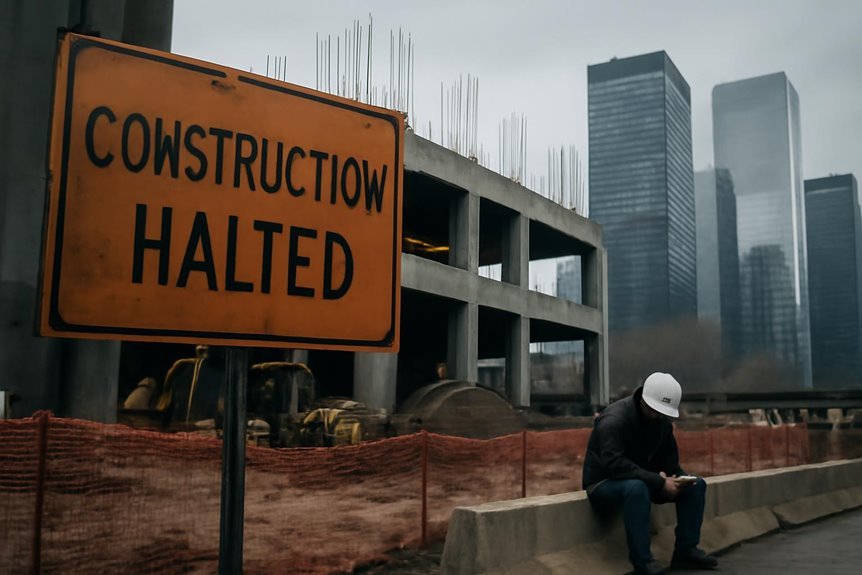

On July 14, 2026, New York Governor Kathy Hochul issued an executive order imposing a one-year statewide moratorium on the construction of new hyperscale AI data centers drawing 50 megawatts or more of power, making New York the first U.S. state to enact such a measure. The order halted the issuance of new state environmental and discretionary permits for qualifying facilities, effectively freezing large-scale AI infrastructure development across the state while regulators design new rules.
New York became the first U.S. state to halt hyperscale AI data center construction, freezing large-scale infrastructure development statewide.
Hochul’s executive order characterized hyperscale AI data centers as “energy-guzzling” facilities and framed the pause as necessary for developing a more structured regulatory framework. The moratorium targets facilities housing thousands of servers that demand massive, continuous energy supplies alongside significant water resources for cooling dense server infrastructure. The 50 megawatt threshold established a clear cutoff distinguishing hyperscale projects from smaller data center operations unaffected by the ban.
The executive action was paired with legislative movement at the state level. The New York State Legislature passed the Responsible Data Center Development Act (S10642), establishing a statutory one-year moratorium with a wider scope than the executive order, covering facilities drawing 20 megawatts or more.
Separate legislative proposals under consideration set additional thresholds, including permit moratoria for facilities above 5 megawatts and requirements for projects exceeding 20 megawatts to meet subsidy limits and renewable energy standards. The combined legislative and executive framework signals an intent to embed labor standards, community benefits, environmental protections, and transparency obligations into any future permitting process.
Environmental concerns drove much of the push for the moratorium. Hyperscale data centers have been identified as major contributors to rising electricity demand, raising concerns about increased power plant output and associated greenhouse gas emissions. Their reliance on water-intensive cooling systems has also drawn scrutiny, particularly regarding stress on local aquifers, river withdrawals, and cumulative impacts in regions such as the Hudson Valley, where multiple facilities had been proposed in close proximity.
Environmental advocates called for thorough impact assessments covering water use, emissions, land use, and noise before further development proceeds. During the moratorium period, the state plans to prepare a Generic Environmental Impact Statement to analyze statewide impacts and establish stricter environmental standards for future data center projects.
This analytical process is expected to inform revised permitting criteria that account for the full range of infrastructure, ecological, and community impacts associated with hyperscale facilities. For the AI and technology industry, the moratorium represents a significant regulatory shift. New York’s action introduces uncertainty for companies that had planned or were actively pursuing large data center investments in the state. The state also directed Empire State Development to create a Community Investment Framework within 60 days to guide localities in negotiating community benefits from data center deals.
More broadly, it establishes a precedent that other states may consider as the rapid expansion of AI infrastructure collides with growing concerns over energy consumption, water use, and environmental accountability.