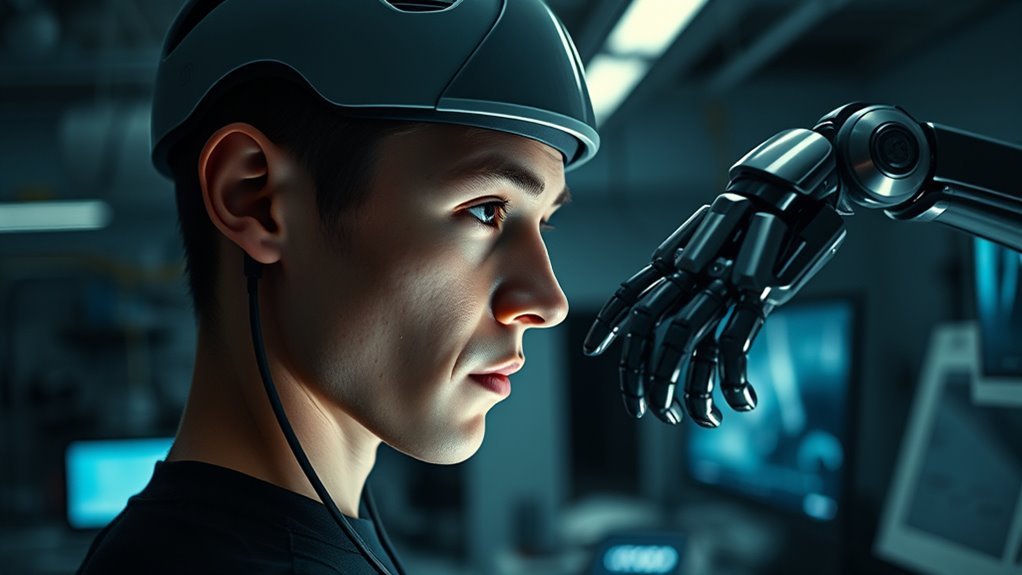

PlayStation Studios are integrating artificial intelligence into animation and 3D modeling pipelines to automate repetitive tasks, accelerate production, and increase overall game output while keeping human creativity at the center of development. Corporate presentations describe AI as a practical set of tools deployed across asset production pipelines rather than a replacement for artists or performers. The emphasis lies on eliminating routine technical work, allowing animators, modelers, and designers to focus on creative decisions, performance direction, and world-building. Strategic messaging consistently ties these deployments to shorter development cycles, higher project throughput, and more ambitious first-party releases.
Mockingbird, an internal AI-powered facial animation application, is central to this transformation. The system converts raw performance or motion capture data into animated 3D facial models, handling complex expression mapping that once required painstaking manual keyframing. Animation tasks that previously took hours can be processed in a fraction of a second, turning performance capture into high-fidelity facial motion almost instantaneously. By streamlining downstream data processing, Mockingbird allows technical artists and animators to redirect effort from mechanical clean-up to nuanced performance evaluation and character intent. Official statements underline that the tool augments performance-capture workflows, keeping actors and directors at the center of character portrayal and preserving the creative ownership of on-screen performances. At Naughty Dog, lead facial animator Eric Baldwin exemplifies this approach by combining motion capture with sophisticated facial rigs to deliver nuanced in‑game cinematics.
Mockingbird turns raw performance into instant high-fidelity facial animation, amplifying actors’ intent rather than replacing it
Beyond facial animation, PlayStation Studios employ machine learning techniques to accelerate hair and broader 3D asset modeling workflows. AI-driven grooming tools analyze video footage of real hairstyles and automatically convert it into detailed, strand-level 3D hair models suitable for game-ready characters. These systems simulate hundreds of individual strands and complex interactions, replacing labor-intensive manual placement that previously demanded extensive specialist time. The integration of advanced AI capabilities has significantly improved texture and model fidelity across various gaming titles.
Video-to-3D conversion capabilities help deliver high-fidelity hair and grooming for visually demanding titles such as Horizon Zero Dawn Remastered, aligning character aesthetics with cinematic expectations. Similar approaches are applied to complex 3D assets, where deep learning methods exceed traditional rule-based modeling by recognizing patterns in large visual datasets and producing high-quality meshes and textures more rapidly. Together, these tools extend Sony’s gaming AI ecosystem into a production environment where advanced modeling is routine rather than exceptional.
AI integration in PlayStation Studios extends beyond modeling and animation into quality assurance, video production, and gameplay systems. Automated testing tools analyze game builds to detect visual, performance, and logic issues more quickly, improving reliability while reducing repetitive manual test passes.
In video production, generative and assistive technologies increase editing and localization speed, enabling marketing and in-game cinematics teams to iterate faster on trailers and story content. AI-informed NPC behaviors, building on prior initiatives like sophisticated racing agents and combat models, contribute to more reactive and believable characters while still relying on human designers for narrative structure and gameplay tuning.
First‑party teams at studios including Naughty Dog, San Diego Studio, Santa Monica Studio, and Guerrilla apply these tools across shipped projects today.