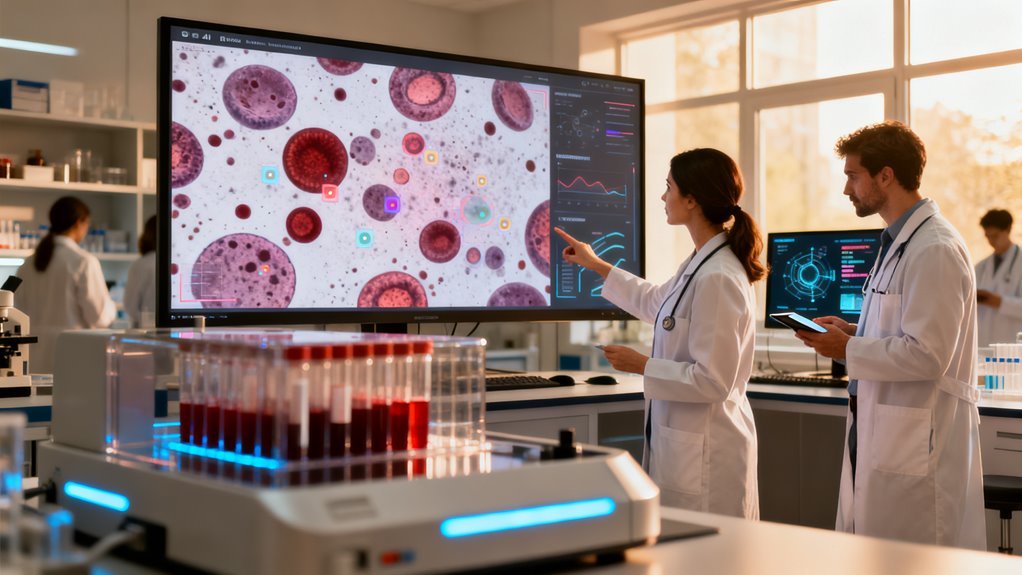

The cloud is finally catching up with medical robotics in gastroenterology, and NaviCONNECT arrives at a moment when capsule endoscopy is shifting from a niche tool to a core part of digestive diagnostics. As health systems struggle with rising case volumes, staffing gaps, and pressure to standardize care, a cloud platform purpose built for capsule studies and future robotic systems is more than an incremental upgrade; it is an attempt to reshape how this entire workflow runs.
How capsule endoscopy got here
When capsule endoscopy first entered clinical practice in the early two thousands, it felt almost science fiction. A patient swallowed a small camera that traveled through the gastrointestinal tract, collecting images without the need for a traditional scope. Early systems were largely stand alone. Data lived on local recorders and workstations, and workflows depended heavily on individual clinics and their internal processes.
Over time, capsule endoscopy matured from a novelty into a standard option for small bowel evaluation, obscure bleeding, and patients who could not tolerate conventional procedures. Yet the supporting software often lagged behind the clinical value. Many programs still rely on local servers, manual handoffs, and fragmented tools for scheduling, reading, and reporting. Scalability has been limited less by the technology inside the capsule than by the administrative and data burden around it.
AnX Robotica emerged as one of the companies pushing this field forward with the NaviCam portfolio for small bowel imaging, including systems such as NaviCam SB with ProScan and NaviCam XS, which focus on improving image acquisition and interpretation for gastrointestinal diagnostics. That background makes the step into a cloud platform a logical move. As devices improve, the bottleneck shifts to how images, reports, and workflows are coordinated across teams and sites.
What NaviCONNECT actually is
NaviCONNECT is described as a next generation cloud platform for capsule endoscopy that streamlines workflow, simplifies practice management, and enhances connectivity across the NaviCam portfolio. It was commercially launched on July 26, 2026, from Plano, Texas, marking a formal expansion of the NaviCam ecosystem into a cloud native environment for gastrointestinal diagnostics. As a secure cloud platform, it provides cloud-based access to capsule studies and reporting while supporting the evolving needs of GI practices and health systems.
At its core, the platform targets the full lifecycle of capsule studies, from acquisition through review and reporting, with the explicit goal of reducing manual steps and fragmented handoffs. Centralized access to studies is meant to give clinicians and support staff a consistent view of cases regardless of where the capsule was ingested or where the reading physician sits. The ambition is to standardize interpretation and documentation so that a complex capsule program behaves more like a coordinated service line than a set of isolated clinics.
NaviCONNECT also moves beyond pure imaging workflow into practice management. It supports scheduling, study assignment, and report routing within gastrointestinal practices, with an emphasis on multi site groups and health systems where cases are captured and interpreted in different locations. By organizing the flow of cases and clarifying task ownership, it aims to reduce common operational problems such as bottlenecks, delayed reads, and overlooked follow up.
From a technology standpoint, NaviCONNECT integrates with multiple NaviCam device types and generations, including the NaviCam Small Bowel portfolio with ProScan and NaviCam XS, and is built with future capsule technologies in mind. This is important because hospitals rarely replace entire fleets of devices at once. A platform that supports mixed generations of hardware and a predictable path for new devices lowers the friction for adoption.
The platform delivers secure cloud based access to capsule studies and reporting so that clinicians can review cases from virtually anywhere, which can be particularly valuable for health systems that rely on centralized reading services or remote experts. Cloud delivery also allows software updates and maintenance to occur with less disruption, and the company positions NaviCONNECT as a modern scalable foundation for future innovations, including artificial intelligence supported review and broader enterprise connectivity.
Why cloud matters for robotic and capsule workflows
From a distance, NaviCONNECT may look like just another piece of clinical software. The strategic shift is deeper. It turns capsule endoscopy and future capsule robotics from a device centric service into a data centric service.
In traditional setups, each site manages its own recorders, storage, and reading workstations. Scaling from a handful of studies a week to hundreds per month often requires more hardware, more localized IT support, and more administrative staff. A cloud platform changes that equation. It centralizes data while allowing distributed capture and review, so volume can grow faster than headcount.
For gastroenterology groups operating across multiple locations, a unified cloud layer means that a study captured in one clinic can be assigned to whichever reader has capacity, regardless of geography. This supports more predictable turnaround times and helps avoid situations where one clinic is overloaded while another has idle capacity.
It also sets the stage for more advanced robotic capabilities. Capsule based medical robotics, such as systems that can be actively steered or deliver targeted therapy, will generate richer data and tighter feedback loops between devices and software. A platform that already integrates multiple generations of NaviCam devices and manages secure data flow provides the infrastructure needed to support those next steps.
The link to artificial intelligence and decision support
AnX Robotica explicitly positions NaviCONNECT as a foundation for future artificial intelligence tools and enterprise level integrations. That matters because capsule endoscopy is inherently data intensive. A single study can contain tens of thousands of images. Algorithms that can pre sort frames, flag suspicious regions, or prioritize cases are not just nice to have; they are becoming necessary as volumes rise.
By moving studies and metadata into a cloud environment with consistent interfaces, NaviCONNECT makes it easier to deploy and update such algorithms when they arrive. Instead of installing software updates across many local machines, an organization can update a central service that influences all connected sites.
At the same time, there are important guardrails and limitations. The current platform is positioned as a workflow and connectivity layer rather than a fully autonomous diagnostic system. Any artificial intelligence features that build on it will need to meet regulatory requirements, demonstrate clinical performance across diverse populations, and integrate cleanly into clinician workflows without overwhelming them with alerts or false positives.
Opportunities for practices and health systems
For individual practices and large health systems, the opportunities fall into several categories.
First, standardized workflows. A cloud based hub encourages common protocols for scheduling, preparation, reading, and reporting across locations. That makes it easier to train new staff, compare performance, and support quality improvement initiatives.
Second, more efficient use of expertise. Experienced capsule readers are not evenly distributed. NaviCONNECT enables remote reading models where a core group of experts can support multiple sites without physically moving, which can improve access for smaller or rural clinics that otherwise struggle to offer capsule services.
Third, better integration with the broader digital environment. Because the platform is designed for enterprise connectivity and regular software updates, it can be more easily connected to electronic health records, analytics systems, and eventually population health tools. Over time, standardized data from capsule studies can feed into longitudinal views of patient risk, treatment response, and screening outcomes.
For patients, the benefits are less about the technology itself and more about what it enables. Shorter turnaround times from study to report, fewer lost or delayed results, more consistent quality across sites, and increased availability of capsule options for those who cannot undergo conventional endoscopy can all improve the experience of care.
Risks, trade offs, and unanswered questions
A mature analysis has to look beyond the press release. Moving capsule workflows into the cloud introduces risks and trade offs that health systems must weigh carefully.
Data security and privacy are at the top of the list. Any cloud platform handling protected health information must comply with strict regulatory and security standards. While the company emphasizes secure cloud based access, real world security depends on encryption, identity management, monitoring, and the policies of each customer organization, not just the vendor. Breaches, misconfigurations, or weak internal processes can still expose sensitive data.
There is also the issue of dependency on a single vendor for both devices and the digital backbone that orchestrates them. That tight integration can be a strength for reliability and support, but it can also create switching costs if a health system later wants to adopt additional device vendors or alternative software. Interoperability claims will need to be translated into practical support for open standards and collaboration with hospital IT teams.
Operationally, a cloud platform can reduce maintenance on local machines but introduces reliance on network connectivity and cloud uptime. For organizations in regions with less reliable connectivity, contingency plans become essential. The promised efficiency gains will only materialize if the platform is implemented thoughtfully, with attention to workflow redesign, staff training, and realistic change management.
Finally, the artificial intelligence roadmap remains largely forward looking. Describing NaviCONNECT as a foundation for future AI is a reasonable and honest framing, but it does not guarantee near term availability of proven, regulatory cleared algorithms. Clinicians and administrators should be wary of overestimating what AI can deliver today in capsule reading and should evaluate future features on the basis of data, validation, and usability.
How this fits into the broader evolution of medical robotics
NaviCONNECT sits at an interesting intersection between traditional diagnostic software and more advanced medical robotics. Capsule systems already blur the line between passive imaging devices and robotic platforms, especially as steerable and controllable capsules advance.
For robotics to scale safely in medicine, three pillars tend to matter as much as the devices themselves.
Reliable data infrastructure that can capture, store, and route high volume data from devices in near real time.
Integrated workflows that help human clinicians stay in the loop and clearly understand what the robotic system is doing and why.
Update mechanisms that allow algorithms, safety checks, and device firmware to evolve without breaking clinical operations.
NaviCONNECT addresses exactly these pillars for a specific domain of gastrointestinal care. It is not a general purpose robotics platform, but it demonstrates how robotics enabled medicine is likely to evolve. Devices will increasingly be sold with tightly integrated cloud services that handle data, workflow, and analytics, and the strategic battleground will shift from individual devices to ecosystems.
Takeaways and what to watch next
For now, NaviCONNECT should be understood as a serious attempt to modernize capsule endoscopy and prepare the ground for more advanced capsule robotics and artificial intelligence, rather than as a fully autonomous diagnostic solution. It offers health systems a path to centralize and scale capsule services, reduce friction in daily workflows, and position themselves for future AI capabilities, provided they are willing to invest in change management and robust governance.
The next few years will show whether platforms like this can truly reduce workload for clinicians, improve diagnostic turnaround times, and maintain high standards of data security at scale. Careful outcomes tracking and transparent reporting will be essential.
If NaviCONNECT delivers on its promises, it will likely accelerate expectations across the industry. Competing vendors will need to demonstrate similar levels of connectivity, cloud readiness, and AI preparedness, and hospitals will increasingly judge capsule and robotics offerings not only by image quality but by the quality of their digital ecosystems.
In that sense, the launch in Plano is about more than one product release. It is a marker of how gastrointestinal diagnostics is being rewired around data, connectivity, and robotics, with the cloud acting as the connective tissue that ties it all together.
Conclusion
Introduction
Medical robotics in gastrointestinal care is quietly entering a new phase where connectivity and data matter as much as hardware and optics. The launch of AnX Robotica’s NaviCONNECT cloud platform sits right in that transition, turning capsule endoscopy from an isolated device workflow into part of a connected diagnostic ecosystem that can evolve with artificial intelligence and enterprise scale demands.
For clinicians who already juggle growing caseloads, complex scheduling, and fragmented systems, the promise is straightforward. Capsule studies become easier to manage, easier to access, and easier to integrate into broader care pathways. Patients do not see a new robot in the room. They feel the impact when results are read faster, follow up is tighter, and care teams can collaborate more efficiently.
From early capsule endoscopy to connected ecosystems
When capsule endoscopy emerged in the early two thousands, it solved a very specific problem. Gastroenterologists finally had a way to visualize the small bowel without invasive procedures. The trade off was a heavy data burden. A single capsule can generate many thousands of images, and early systems relied on local workstations with limited flexibility and often clunky workflows.
Over time, companies like AnX Robotica pushed capsule technology forward with better sensors, smarter software, and eventually robotic capabilities that improved navigation and diagnostic yield. As the ecosystem expanded with platforms such as NaviCam XS, NaviCam XST, and associated software like ESView released around major meetings such as Digestive Disease Week, the technical sophistication grew faster than many clinics could modernize their infrastructure.
In parallel, health systems around the world started to embrace cloud infrastructure for imaging archives, electronic medical records, and analytics. Radiology and cardiology moved first, driven by huge volumes of data and the need for remote reading. Gastrointestinal diagnostics are now following that same trajectory, with capsule endoscopy and robotic platforms increasingly expected to plug into cloud based workflows rather than sit as stand alone islands.
What NaviCONNECT actually does
NaviCONNECT is described as a next generation cloud platform built specifically to streamline capsule endoscopy workflow and simplify practice management across the NaviCam portfolio. It centralizes capsule studies and reporting in a secure cloud environment so clinicians can access cases from virtually any location with appropriate credentials, rather than being tied to a single workstation in one clinic.
The platform is designed to support the evolving needs of gastrointestinal practices and larger health systems. It focuses on operational efficiency, addressing routine friction points such as software updates, study sharing between locations, and standardization of reporting formats. By moving core functions into the cloud, updates can be deployed more consistently and practices can scale without constantly reconfiguring local machines.
NaviCONNECT integrates with the AnX Robotica NaviCam Small Bowel portfolio, including NaviCam SB with ProScan artificial intelligence and NaviCam XS. Conference and industry coverage also points to a broader ecosystem that includes systems such as NaviCam XST and MotiliCap, underscoring that the cloud platform is intended as a connective tissue for multiple capsule and robotic technologies rather than a single product add on. This integration matters because it turns NaviCONNECT into an anchor for future devices and software modules rather than a one off utility.
Why this launch matters now
Several trends in medicine make this launch particularly timely.
Digital workloads for gastroenterology have grown steadily as more patients are screened for conditions such as small bowel bleeding, Crohn disease, and obscure gastrointestinal symptoms. Capsule endoscopy is often chosen when traditional endoscopy is either too invasive or insufficient, which means more image heavy studies that must be read accurately and documented clearly.
At the same time, health systems are under pressure to support remote reading and flexible staffing. Subspecialist gastroenterologists may split time across multiple sites or even multiple organizations. A cloud platform that gives secure study access from almost anywhere aligns with that reality and can reduce bottlenecks where studies sit waiting on one particular workstation.
Artificial intelligence is another key factor. Systems like NaviCam SB with ProScan already use AI to assist in reading capsule studies, flagging potential lesions and speeding up review. Cloud infrastructure creates a natural foundation for scaling those algorithms across practices and for aggregating anonymized data that can be used to refine future models. Instead of deploying AI features piecemeal at each site, NaviCONNECT can act as a unified delivery layer, which is critical for consistent performance and monitoring.
Implications for clinicians and health systems
For frontline gastroenterologists, NaviCONNECT is less about shiny robotics and more about whether their daily workflows become smoother. Several practical implications stand out.
First, centralized cloud access can cut down on the time spent locating studies, coordinating with staff at different sites, or waiting for reports to be transferred manually. When capsule endoscopy is part of a busy clinic, even small reductions in friction can translate into more time for interpretation and patient discussion.
Second, standardized workflows and reporting on a shared platform make it easier to maintain quality across a network. Health systems that operate multiple locations or that support hybrid models with telemedicine can enforce consistent protocols for reading and documentation. That consistency is increasingly important for quality metrics, reimbursement, and participation in value based care programs.
Third, the integration of AI and analytics on a cloud foundation gives medical directors and informatics teams new levers. They can track performance metrics such as reading times, diagnostic yield, and follow up patterns across sites. That kind of enterprise view is hard to achieve with fragmented local systems. Over time, these insights can inform staffing decisions, training priorities, and investment planning.
Opportunities for AI and robotic innovation
From an AI and robotics perspective, NaviCONNECT is significant because it positions AnX Robotica to deliver new capabilities without forcing clinics into disruptive hardware upgrades every cycle. Software features that improve lesion detection, automate parts of the reporting process, or support triage can be rolled out through the cloud to compatible devices.
This architecture also supports iterative improvement. As more capsule studies pass through the platform, anonymized datasets can help refine AI models, identify edge cases, and validate performance across diverse populations and practice patterns. The feedback loop between real world use and algorithm updates becomes faster and more data rich, which is essential for trustworthy medical AI.
On the robotics side, future capsules and navigation systems can be designed with the assumption that they will plug into NaviCONNECT from day one. That enables more sophisticated coordination between the device in the patient and the software environment in the clinic. For example, a future capsule might adapt its imaging behavior based on AI analysis running in the cloud or send prioritized snapshots for early review in high risk cases. Those scenarios are speculative but technically aligned with the direction the platform sets.
Risks, limitations, and what could go wrong
A balanced view needs to acknowledge the risks and limitations.
Cloud based platforms introduce clear dependence on connectivity and vendor infrastructure. Clinics with unreliable networks or constrained information technology support may face new vulnerabilities where studies are delayed or temporarily inaccessible. Any outage, whether local or at a regional level, can interrupt workflows that have come to rely on the platform.
Data privacy and security remain critical concerns. Capsule endoscopy involves highly sensitive patient information, and moving studies into the cloud raises legitimate questions about access control, encryption, and compliance with regional regulations. AnX Robotica emphasizes secure cloud based access and enterprise connectivity, but trust will depend on transparent security practices, third party audits, and clear incident response protocols. Health systems will expect detailed documentation before making the platform central to their GI diagnostics.
There is also a risk of overconfidence in AI features that may be layered onto NaviCONNECT over time. AI assisted reading can reduce workload and highlight potential pathology, but it must be treated as decision support rather than an infallible second reader. Biases in training data, shifts in patient populations, or new disease presentations can all challenge model performance. Robust validation, ongoing monitoring, and the ability for clinicians to override suggestions are non negotiable for safe deployment.
Finally, not every practice will be ready or willing to move fully to a cloud workflow. Smaller clinics, rural providers, or settings with strict data locality requirements may prefer hybrid approaches where some data remains on premises. The success of NaviCONNECT will depend partly on how flexibly it can accommodate these realities rather than assuming uniform adoption.
Strategic positioning for AnX Robotica
From a business and strategic perspective, NaviCONNECT is more than a utility. It is a way for AnX Robotica to deepen its role in the GI diagnostic stack and to align its hardware roadmap with a scalable software backbone.
By offering a cloud platform that sits across multiple devices, the company shifts from being primarily a device manufacturer to something closer to a systems partner. Health systems that commit to NaviCONNECT effectively commit to an ecosystem where future capsules, AI modules, and analytics services can be delivered from the same vendor. That creates both opportunity and responsibility.
The opportunity lies in longer term relationships, recurring revenue from software and services, and the ability to shape standards for capsule endoscopy workflows. The responsibility lies in keeping the platform open enough to integrate with broader hospital infrastructure, ensuring interoperability with electronic medical records, and avoiding excessive lock in that could deter cautious buyers.
This is a familiar pattern from other domains. Radiology vendors that built strong cloud and enterprise platforms gained influence over workflow and data standards. Those that remained device focused often found themselves sidelined as hospitals consolidated around more integrated solutions. NaviCONNECT signals that AnX Robotica is aware of that dynamic and wants to be on the platform side of history.
Takeaways and what to watch next
The launch of NaviCONNECT marks a practical step toward more connected, data driven medical robotics in gastrointestinal care rather than a flashy leap into science fiction. It centralizes capsule endoscopy workflows, streamlines secure access to studies, and sets a foundation for future AI and robotic capabilities that can evolve alongside health system needs.
For clinicians, the immediate value will be measured in hours saved, reports produced more consistently, and cases that move through the system with fewer delays. For health systems, the platform offers a way to standardize GI diagnostics, gain better visibility into performance, and prepare for a world where AI assisted tools are routine rather than exceptional.
The real test will come over the next few years as NaviCONNECT is deployed across a variety of practice settings. Key questions include how well it integrates with existing hospital systems, how reliably it performs under real world constraints, how transparently it addresses security and privacy, and how thoughtfully it expands AI features without overpromising.
If those challenges are managed well, NaviCONNECT could become an example of how cloud infrastructure, artificial intelligence, and medical robotics converge in a way that feels pragmatic to clinicians and genuinely useful for patients. Not as a headline grabbing moonshot, but as an everyday platform that makes complex care slightly more humane and slightly more efficient with each iteration.
Sources
Morningstar press release coverage of AnX Robotica NaviCONNECT launch and platform capabilities including cloud workflow, secure access, and integration with the NaviCam portfolio
Industry and conference commentary highlighting the broader AnX Robotica ecosystem including NaviCam SB with ProScan AI, NaviCam XS, NaviCam XST, MotiliCap, and NaviCONNECT as a cloud solution for small bowel studies
AnX Robotica company blog and product announcements documenting earlier launches of NaviCam XS, NaviCam XST, and ESView updates around major gastroenterology meetings, providing historical context for the current platform strategy