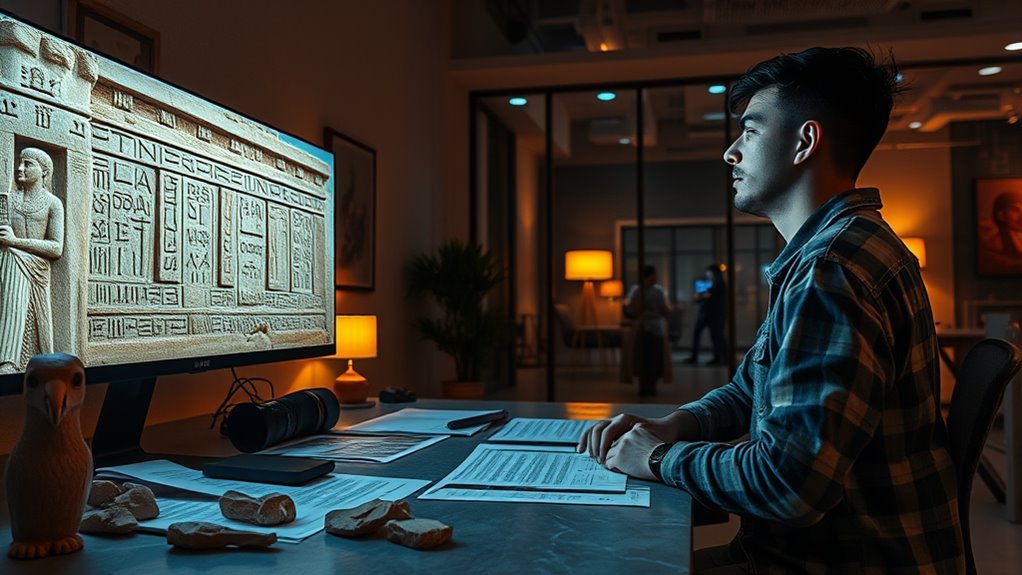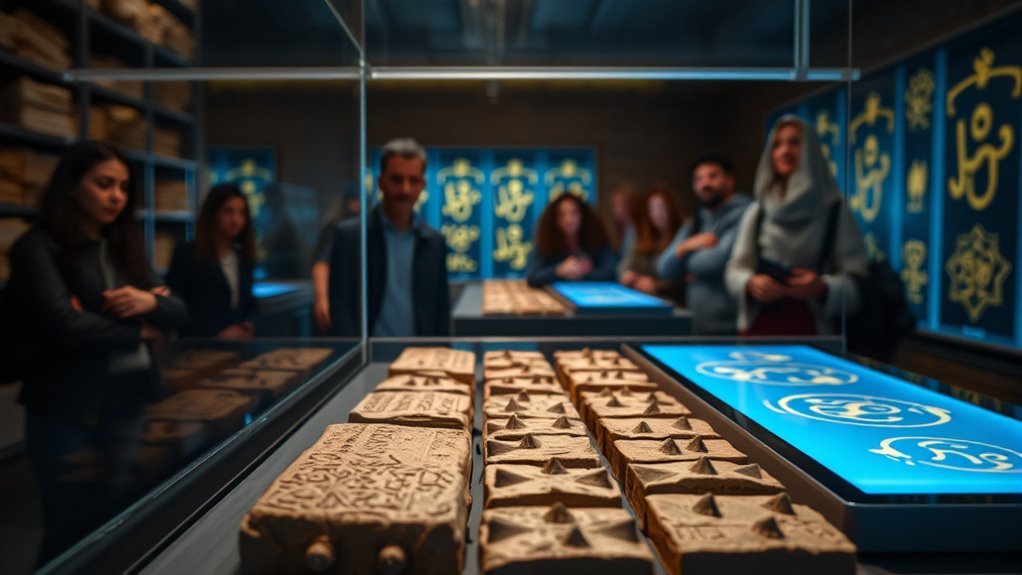

Opening the clay archives of ancient Mesopotamia to new readers, a landmark collaboration has built an Arabic interface to the Cuneiform Digital Library Initiative, giving audiences in the regions where these tablets were first inscribed direct access to hundreds of thousands of digitized texts and images. Designed for users across the Middle East and North Africa, the platform addresses long‑standing imbalances in Arabic‑language digital resources on Mesopotamian heritage. It draws on more than twenty‑five years of international collaboration to present catalog data, transliterations, translations, and tablet images in a form usable by non‑specialists. These clay‑tablet texts represent one of humanity’s earliest scripts, predating alphabet‑based writing systems by more than a millennium.
At the heart of the initiative is a large‑scale translation effort that will render around 70,000 lines of cuneiform text into Arabic, spanning myths, legal codes, letters, medical treatises, and astronomical records. These translations will be issued both as rigorous line‑by‑line editions for students and scholars and as continuous narrative versions tailored to general readers, allowing complex ancient source material to be consulted without specialist training.
Rendering 70,000 lines of cuneiform into Arabic, from myth and law to medicine and astronomy
Machine learning experiments, including challenges led by the Deep Past Initiative, are being used to tackle vast corpora of Assyrian trade records, accelerating the pace at which four‑millennia‑old commercial archives can be edited and published.
CDLI estimates that more than 500,000 cuneiform tablets survive worldwide, with nearly half already catalogued electronically, and the Arabic interface exposes this structured record to a far wider readership. The Lund‑linked component spans over three millennia of Mesopotamian history, while related projects have placed early Sumerian literature, major Hebrew and Greek manuscript collections, and fifteenth‑century printed books online, illustrating the scale of ancient textual corpora now accessible on screen.
Digitisation of the Timbuktu manuscripts, which has preserved tens of thousands of pages of Islamic scholarship and local documentation, reinforces this broader move to safeguard fragile archives through open digital platforms.
The Arabic interface is explicitly framed as a tool of cultural rebalancing, prioritising users in regions historically linked to Mesopotamian civilisation and returning cuneiform heritage to communities near its places of origin. Search functions, browsable catalog entries, and integrated transliterations and translations let teachers, students, and general readers navigate tablet records that were once effectively restricted to trained specialists inside major museums.
This local emphasis resonates with broader shifts in digital heritage, where projects such as the online reunification of Codex Sinaiticus and cuneiform initiatives like Hidden Treasures have opened formerly secluded archives to worldwide audiences.
Combining expert human translation with computational tools, the programme increases the volume and speed at which ancient texts reach non‑specialist readers while preserving scholarly oversight. Its multilingual design mirrors work on collections such as the Dead Sea Scrolls and the Timbuktu manuscripts, where explanatory interfaces guide new audiences through rich textual information.
Together, these efforts demonstrate how four‑thousand‑year‑old inscriptions can move from sealed storerooms into everyday digital environments, reshaping who can read the deep past.