
As AI systems mature, historians are gaining access to a growing ecosystem of tools that reshape how they discover, interpret, and present the past. General‑purpose large language model assistants handle routine tasks such as summarizing secondary literature, drafting analytic prose, and clarifying complex historiographical debates. Dedicated history‑focused assistants extend this capability by offering curated overviews of events, figures, and periods, paired with citations that guide scholars back to foundational sources. Together, these systems function as conversational interfaces to vast textual corpora, allowing historians to test hypotheses, compare narratives, and explore alternative interpretations at a pace that was previously impossible.
These conversational tools increasingly sit atop retrieval‑augmented workflows that connect them to custom archives, digitized collections, and specialized databases. By grounding generated narratives in verified records, they reduce the risk of anachronism and fabrication while still enabling flexible exploration of historical possibility. In some deployments, these workflows draw solely on expert‑reviewed corpora such as World History Encyclopedia and the CORE database, ensuring that every response is concise, academically grounded, and fully cited for both classroom and scholarly work. For scholars of the ancient world, this means a single query can weave together inscriptions, papyri, archaeological reports, and modern scholarship into a coherent, source‑linked response. Instead of manually tracing every reference, historians can spend more time interrogating arguments, evaluating evidentiary chains, and situating interpretations within broader historiographical debates. This innovation comes amid rising concerns about data breaches that threaten the integrity of historical datasets.
Literature‑discovery tools complement these assistants by mapping how historical ideas develop across time. Platforms that visualize citation networks help identify seminal works, overlooked studies, and emerging trends within a field, turning the shifting landscape of scholarship into an object of analysis in its own right. AI research assistants that perform semantic search and extract study metadata streamline the process of assembling reading lists and tracing debates across languages and disciplines. Alerts, topic clustering, and network visualizations support long‑term historiographical projects, enabling historians to follow the evolution of interpretations of ancient societies over decades or even centuries.
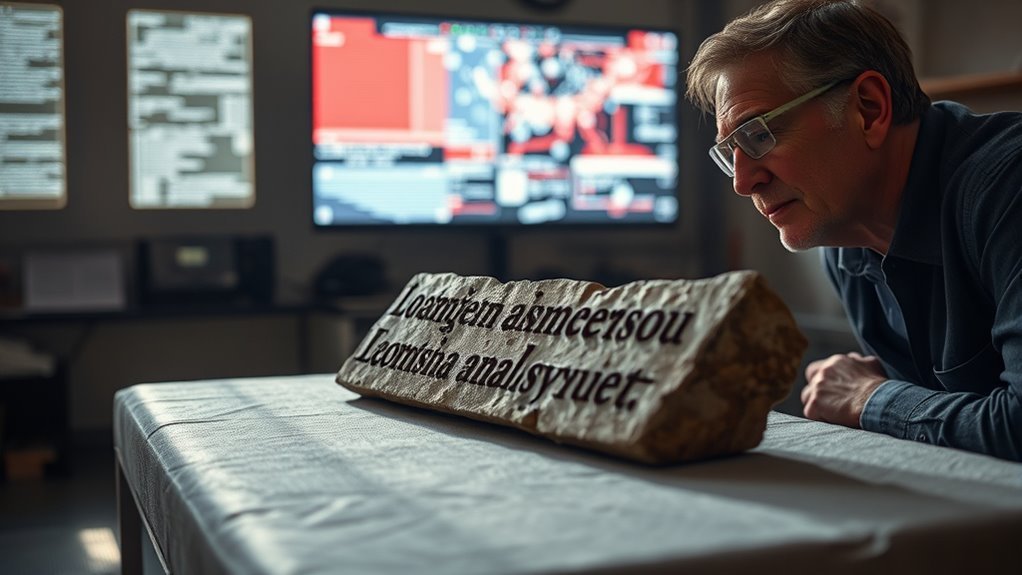
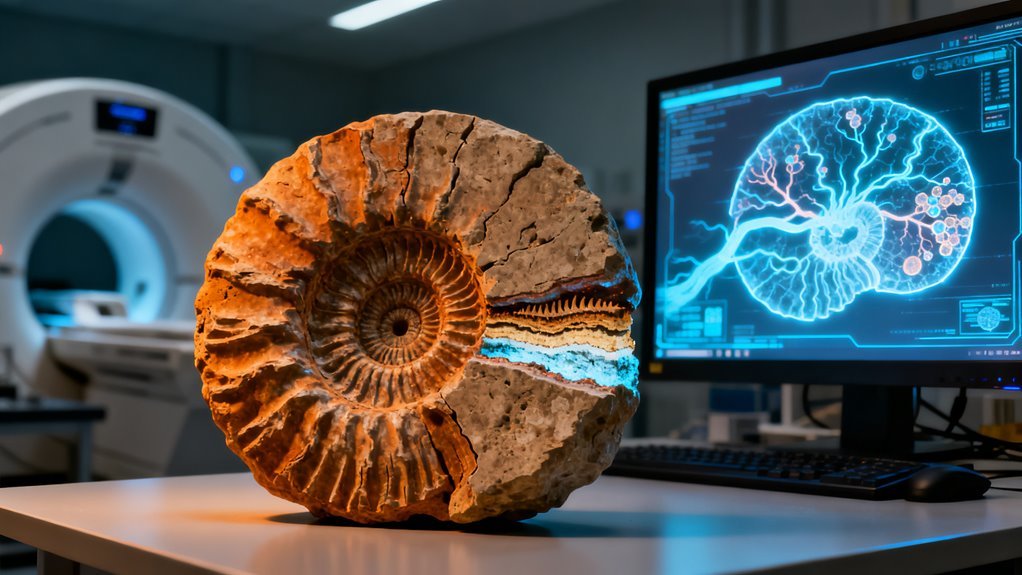
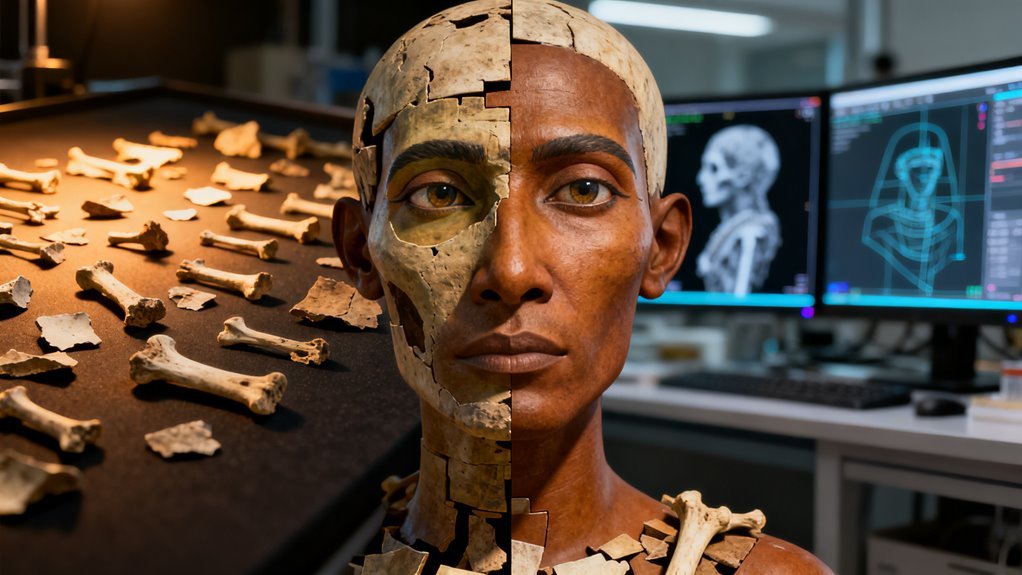
Another strand of the ecosystem focuses on turning fragile physical artifacts into analyzable data. AI‑driven transcription systems now convert handwritten archival materials into searchable text with near‑human accuracy, dramatically accelerating work with large collections. Open‑source cultural heritage platforms provide transcription, subtitling, and translation pipelines that help institutions process multilingual materials at scale. Document‑digitization suites combine optical character recognition, layout analysis, and entity extraction to produce structured datasets from scans of manuscripts, administrative records, and early printed books.
Agentic extraction systems further extend this capacity by following natural‑language instructions to identify specific entities, events, or relationships within newly digitized corpora. With sources digitized, analytical and mapping tools reveal patterns that would otherwise remain obscure. They correct historical maps, extract geospatial data, and generate timelines and charts that highlight demographic change, trade routes, and political relationships across regions and centuries.
Taken together, these systems let historians converse with the ancient world by asking natural‑language questions and receiving responses grounded in scholarly texts, data, and maps. Critical judgment remains human, but AI shifts effort from mechanical retrieval toward deeper interpretation and argument.