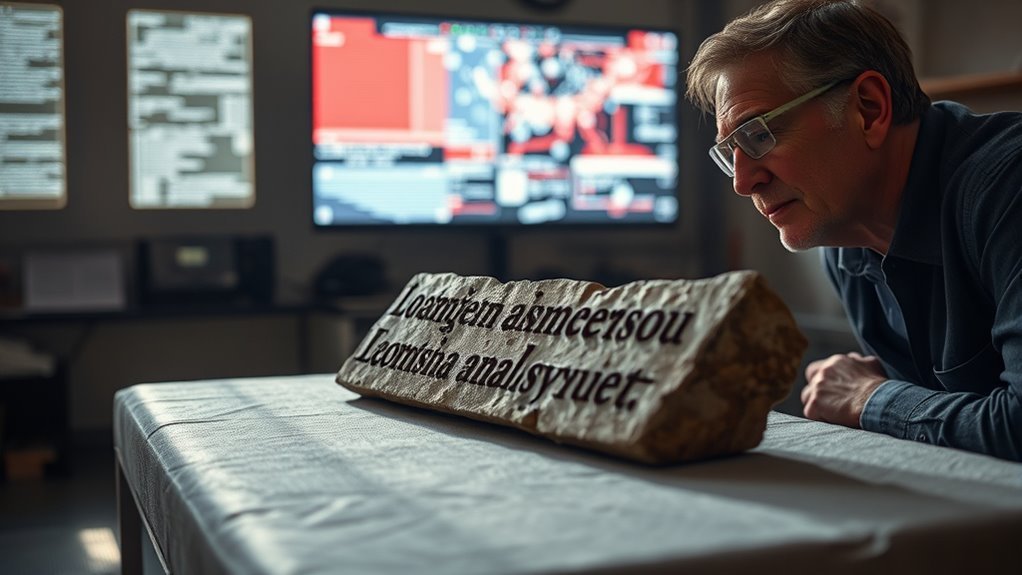
While Egypt’s monumental temples and museum statues still confront most visitors with unreadable bands of hieroglyphs, a new mobile application called Manetho is turning ordinary smartphones into gateways to the pharaonic past. Conceived by Egyptian engineer Ahmed El‑Kholy after watching tourists struggle to interpret inscriptions, the app responds to a long‑standing gap between public fascination and limited access to specialist knowledge. Developed by Cairo‑based startup Dark Pyramid, positioned at the intersection of artificial intelligence and cybersecurity, Manetho was released in 2024 as a consumer‑grade hieroglyphic translator.
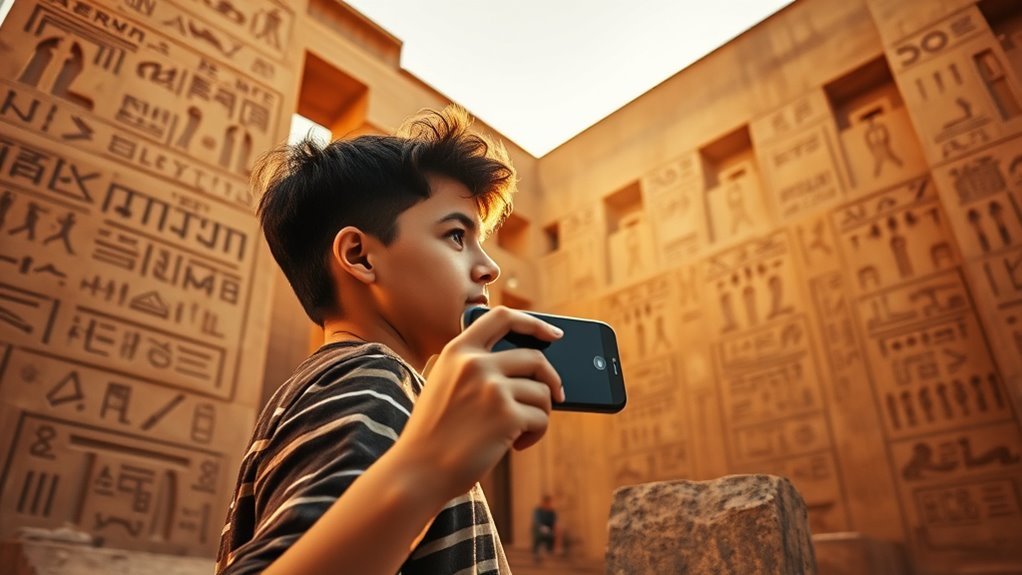
Manetho is described by its creators as the world’s first real‑time hieroglyphic translator for consumer devices, built to operate entirely on mobile hardware. Users simply point a phone or tablet camera at carved or painted inscriptions on statues, temple walls, papyrus sheets, or museum labels, and within seconds the application returns a readable text. The workflow is anchored in a single continuous scan that detects more than one hieroglyphic symbol at a time, allowing the system to maintain sentence order and translate bands of text instead of isolated signs. Serving as the first AI hieroglyphic translator for many visitors, it also uses augmented reality to bring statues to life in interactive dialogue, extending the app’s impact beyond simple on-screen text.
Manetho turns any camera into a real-time lens, streaming coherent hieroglyphic sentences into readable modern text
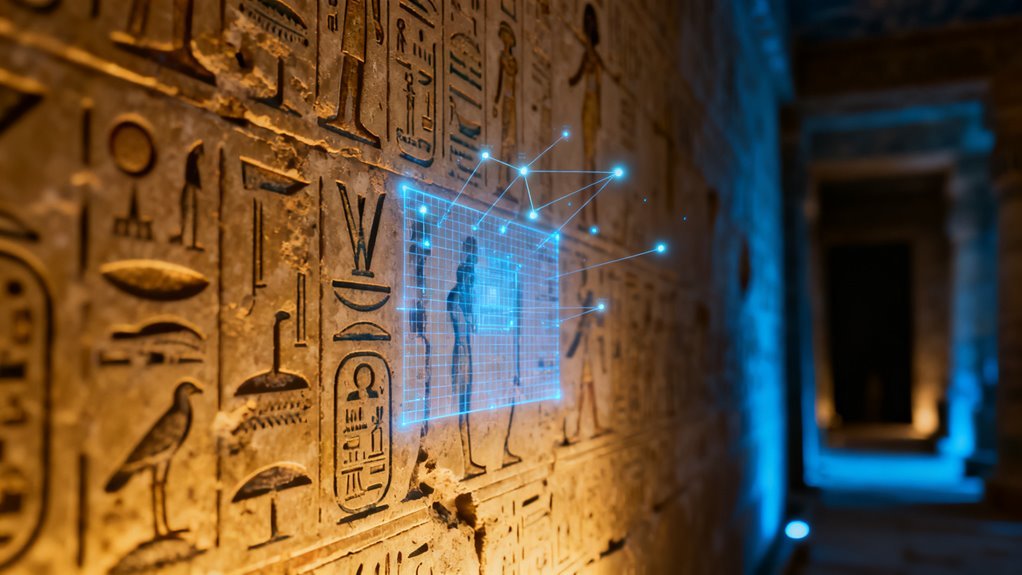
Behind this experience sits an image‑processing pipeline optimized for archaeological conditions, able to extract glyphs from stone, painted wood, mixed backgrounds, low‑contrast reliefs, and surfaces affected by glare. The system combines segmentation and classification modules with heuristics that infer whether a hieroglyphic sentence should be read left‑to‑right, right‑to‑left, or top‑to‑bottom, reflecting canonical Egyptological practice. In alignment with broader trends in federal interest in AI, the app showcases the potential of advanced technologies to enhance cultural heritage experiences.
Field tests reference a specialized adaptation of Detectron2 for real‑time segmentation of individual signs on complex artefacts such as Rosetta Stone replicas, feeding a language stack trained on Manuel de Codage standards and academically verified corpora including the Pyramid Texts. Under bright, even lighting, evaluations report correct identification of roughly eighty‑eight percent of Gardiner sign codes, a level that already changes what non‑experts can do in galleries and at heritage sites.
Manetho’s creators frame the application as a cultural‑heritage tool rather than a specialist research instrument, deliberately targeting ordinary museum visitors, school groups, and domestic tourists. The app is available through major mobile ecosystems, including Google Play and the Apple App Store, with versions tuned for smartphones and iPads so that visitors can rely on devices they already carry.
Real‑time translations are offered in multiple modern languages such as Arabic, English, French, Chinese, and Japanese, converting once‑opaque texts into narratives that are immediately intelligible to diverse audiences. Each translation can be accompanied by contextual information about the artefact’s period, function, and associated historical figures, turning a short caption into an entry point for deeper engagement with ancient Egypt.
Strategically, the Dark Pyramid team presents Manetho as a way to bridge ancient Egyptian culture and contemporary life, turning everyday phones into interfaces for pharaonic heritage rather than passive cameras. In tourism and education, the app invites wider public participation in reading the past and actively interpreting inscriptions.